The educational division of K2 Partnering Solutions, K2 University, has extended its official SAP training programs to the United States and Canada in response to the growing demand for SAP skills with a cloud focus. As technology advances, companies seek workers with specific knowledge of SAP solutions, cloud computing, and artificial intelligence. The structured approach […]
The integration of ChannelEngine with SAP Order Management Services (OMS) highlights how businesses can leverage advanced solutions to optimize their eCommerce operations across a vast array of marketplaces. SAP Order Management is an integral component of SAP’s business applications, streamlining the entire order-to-cash process by centralizing order handling across multiple channels. This system allows organizations […]
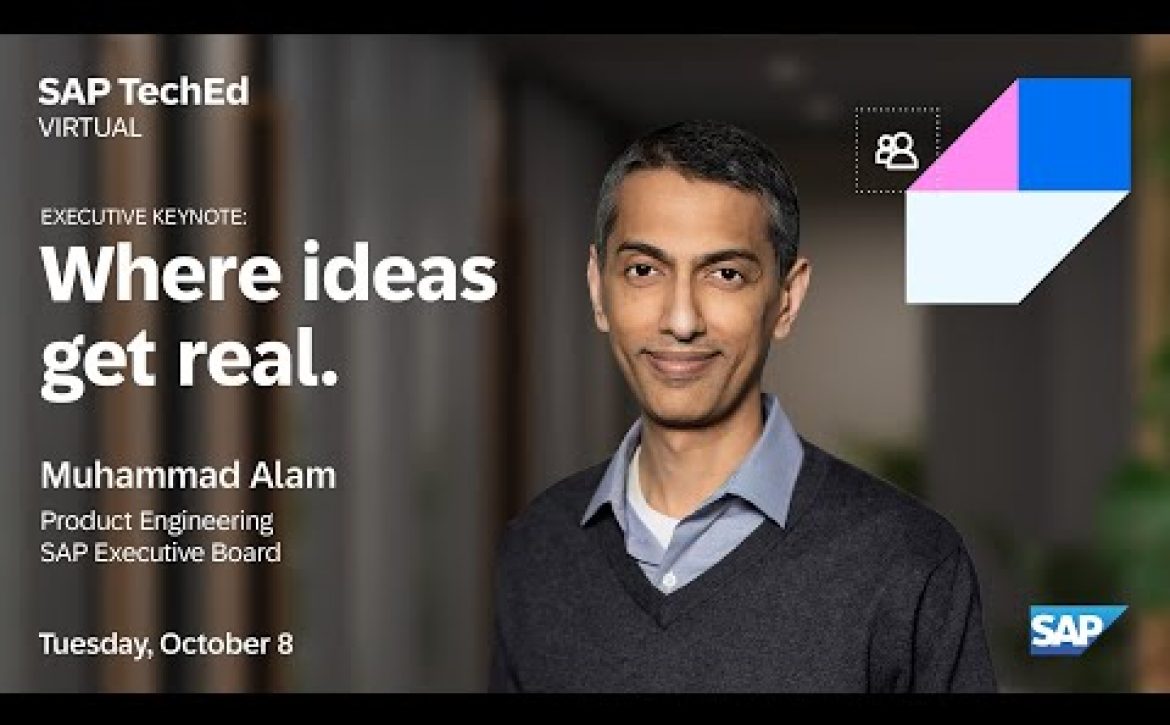
Hear firsthand from SAP Executive Board member Muhammad Alam, along with many other SAP Executives, how innovations across our end-to-end portfolio are revolutionizing the tech world. Join us alongside our community of experts, developers, and IT leaders to learn, share, and build together at #SAPTechEd. Register to access the full event:
https://www.sap.com/events/teched/virtual.html
Since last year’s SAP Customer Experience LIVE event, we’ve introduced over 600 features, driving AI innovation and long-lasting success for our customers. At this year’s event, our customers shared their AI and CX success stories, showcasing how they’re winning customer loyalty in today’s competitive market.
While we have more exciting innovations to share, we’ve dedicated this event to celebrating our customers’ achievements.
AI Meets CX: Personalized, Engaging Experiences
In a fast-paced market, delivering the right message at the right time is crucial. When AI meets CX, businesses can create personalized, engaging experiences at every touchpoint. But these seamless experiences require a blend of people, processes, and technology, supported by integrated data.
Intelligent Customer Journeys with Business AI
At SAP CX LIVE in 2024, Christian Klein, CEO and member of the Executive Board of SAP SE, emphasized the transformation of customer experience through business AI, moving from reactive to proactive engagement and AI-driven insights. Companies like the San Jose Sharks are leveraging AI to drive personalized experiences and exceptional customer value.
San Jose Sharks: MVP Experiences
The San Jose Sharks are embracing digitalization and AI to create MVP experiences throughout the customer journey. By integrating vast amounts of data from various sources such as hockey games, concerts, food, and merchandising, they form a holistic view of their customers. The Sharks’ use of SAP CX solutions, including SAP Emarsys Customer Engagement, SAP Sales Cloud, SAP CX AI Toolkit, SAP Customer Data Platform, and SAP Customer Data Cloud, significantly enhanced customer engagement. This strategic approach led to impressive results, with season membership renewal rates increasing to 87% and open rates soaring from 26% to 80%.
Online Metals: AI as a Game Changer
Greg Raece, president of Online Metals, believes that AI will revolutionize the company’s sales approach. With a diverse customer base ranging from hobbyists to Fortune 500 companies, Online Metals is constantly evolving to meet emerging trends and ensure customers receive the right materials quickly and hassle-free. Raece firmly believes that AI will change the way Online Metals sells to customers. To better engage customers and enhance its online merchandising and sales strategies, Online Metals has joined forces with SAP. Using SAP Commerce Cloud and SAP Emarsys Customer Enagement, it successfully increased conversions, average order value, and website traffic.
The Pillars of Intelligent CX
SAP prioritizes responsible innovation, especially in handling customer data and interactions. Our AI solutions are built on trust, privacy, ethics, and security, helping to ensure businesses can confidently leverage these tools to their full potential. These are the four key pillars of intelligent CX:
Connected: Seamlessly unite operational and experience data to deliver delightful experiences across the back and front office while safeguarding your TCO.
Insightful: Turn data into proactive and contextual insights that drive real business outcomes with meaningful generative AI capabilities.
Adaptive: Experiment with agility using our hybrid composability approach and extend SAP’s core capabilities with pre-integrated, certified partner solutions.
Industry-Tailored: Apply deep industry context and knowledge coupled with our rich partner ecosystem to tailor SAP CX solutions to your industry’s unique needs.
Unleash Potential with a Harmonized Suite
Captivating customer experiences require visibility into the back office, front office, and everywhere in between. Companies like Universal Destinations & Experiences benefit from the seamless integration of SAP CX solutions with existing ERP systems, helping to enhance overall customer experience.
For Universal Destinations & Experiences, making people happy is priority number one. When planning its new resort in Beijing, China, Universal wanted to focus on the full guest journey – before, during, and after their visit. It needed a scalable platform with true omnichannel capabilities to support its diverse business, including theme parks, food, and retail. By leveraging SAP S/4HANA with SAP Commerce Cloud, Universal is creating a seamless and immersive experience for millions of guests, allowing them to live out their movie dreams.
Nokia: Elevating Wireless Technology
Nokia, once known for its iconic phones, now leads in telecommunications innovation and is partnering with NASA to further advance wireless technology. To ensure efficiency and accuracy in delivering complex solutions, Nokia digitized its order management processes. By integrating SAP S/4HANA with SAP Commerce Cloud and SAP Order Management Services, Nokia achieved faster deliveries, precise invoicing, and seamless billing, securing a competitive edge and driving ongoing success.
MACO Group: Efficient Sales Transformation
With thousands of global customers and 25,000 products associated with 40,000 components, door and window seller MACO Group has a wealth of data. The construction industry has been disrupted by global events, prompting MACO to digitize its operations for more efficient and effective sales. MACO’s transformation involved combining its SAP S/4HANA and CRM capabilities with SAP Sales Cloud, enabling it to move faster and with greater accuracy.
As of July 15, new customers can get 15 licenses to accelerate sales processes and drive growth with AI-driven CX
SAP CX solutions continue to help add value and bring business AI to life through innovative collaboration and integration. At SAP CX LIVE in 2024, we announced two new partnerships with Gainsight and ChannelEngine.
By integrating SAP Sales Cloud with Gainsight, companies can unify data and intelligence for a comprehensive customer view and a seamless journey. With human-first AI capabilities, automation, and standardized workflows, Gainsight and SAP customers can dedicate more time to clients and less to administrative tasks. Learn more.
The integration between ChannelEngine and SAP Order Management Services can enable merchants to increase revenue and profitability by automating and optimizing third-party marketplace operations. SAP users can now effortlessly activate over 950 new sales channels and expand into global markets. Learn more.
A Future-Ready CX with SAP
SAP customers are rapidly leveraging AI-powered solutions to create superior customer experiences, improve operational efficiency, and drive business growth. By integrating SAP into their operations, they are driving innovation and achieving measurable success.
Our approach is simple yet powerful: connected, insightful, adaptive, and industry-tailored. By prioritizing responsible innovation, especially in handling customer data and interactions, we can ensure our AI solutions are built on trust, privacy, ethics, and security. I’m proud that SAP is integral to our customers’ achievements, and the SAP CX team remains committed to delivering products and features that drive outcomes and delightful customer experiences.
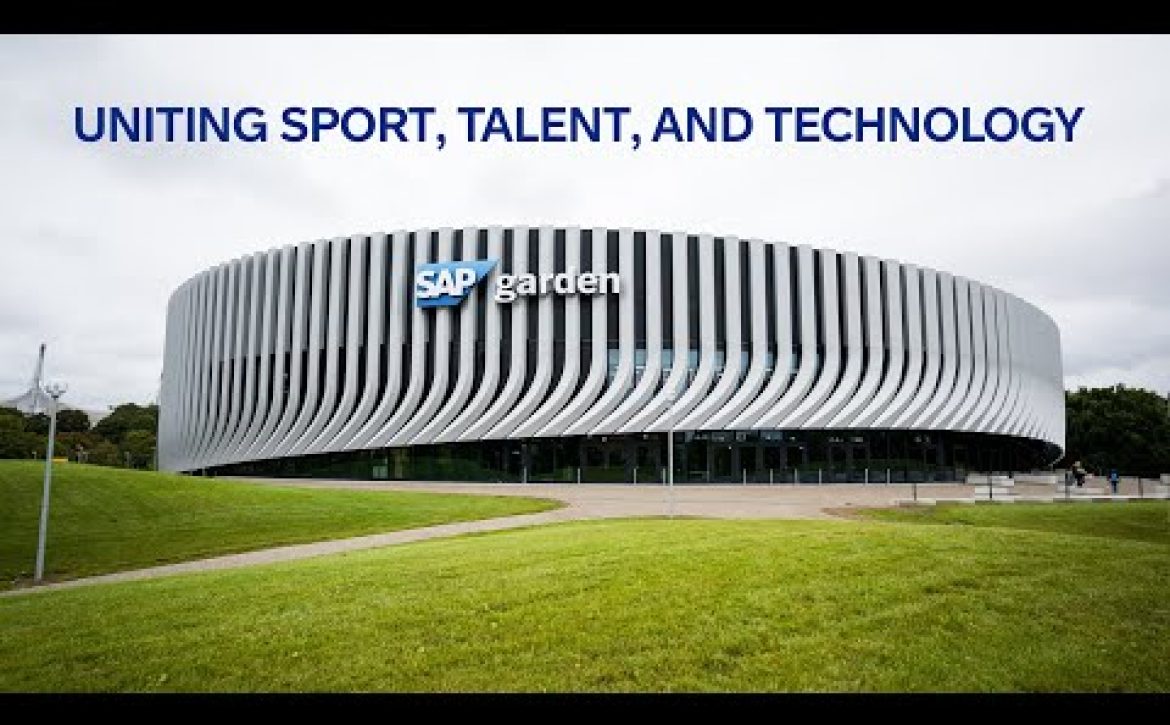
In the heart of Munich Olympic Park, SAP Garden is making its debut as the new home of the Red Bull Munich Ice Hockey Club.
This modern venue adds a fresh landmark to a thriving culture and promises to influence the sports-enthusiastic city for decades to come. Located in one of Europe’s key technology hubs, SAP Garden strengthens the company’s presence with customers and partners. It also provides a creative space for employees and future talent at the nearby SAP Labs Munich location, situated on the grounds of the Technical University of Munich (TUM).
Get to know the newly opened SAP Garden in Munich, Germany. From next-level fan experiences to AI-powered venue insights, this state-of-the-art arena is packed with SAP technology. 🏟️
With its ongoing commitment to sustainability, the German enterprise software giant will be investing more in climate projects and environmental conservation beginning in 2024 as part of the SAP net-zero strategy. The SAP net-zero strategy aims to balance the amount of greenhouse gases entering the atmosphere with the amount being removed, which is in line with the Science […]
In a July 1995 e-mail announcing SAP’s International Demonstration and Education System (IDES), a demo system for the SAP R/3 client-server software (release 3.0 and later), project manager Dietmar Pfaehler asked employees not to expect miracles of the new system and acknowledged that it was not yet error-free. “The data is far from perfect,” and “the new help scripts are not yet available,” he wrote. Nevertheless, the project team had “reached its first milestone in terms of providing a system that contained plenty of realistic data.” Adding that there was “enormous demand for a fairly stable 3.0 system that people could work with,” he commented that “many of us will certainly find it helpful to have a well-maintained 3.0 system to play around with and test.”
IDES was initially modeled on an international company with multiple subsidiaries. Complete with a demo guide, it helped users familiarize themselves with SAP R/3 functions and with the organizational and integrated process structures that the SAP R/3 system covered. With data being added all the time, the IDES model companies felt very lifelike, and users had plenty of scope to test the various application areas.
“IDES wasn’t just a system, it was a new philosophy – a revolution in demo and training,” says Marcelo Cura Daball, who joined the team in late 1995 and played a key role in shaping the development of IDES. “The system behaved like a real customer system. It looked like a real customer system. That was new, and the customers loved it,” he recalls.
SAP built IDES to provide its developers with a test environment that would double as a basis for international training systems, customer workshops, and prototyping. “The basic idea,” Cura Daball explains, “was that our salespeople, in presales for example, would give a demo in the same system SAP used for customer training. And that, after a training course, customers could go home and repeat the training exercises with the same data they had used in their course.”
We’ve been building a track record of innovation for more than 50 years
Pfaehler was the mastermind behind IDES and is credited with developing the business concept for the new system. A seasoned sales professional, he was an institution at SAP, says Cura Daball, and had connections across the globe. While the content for IDES was developed at company headquarters in Walldorf, Germany, Pfaehler also received support from colleagues all over the world; the system was then translated and made available to the local subsidiaries. Many customers provided real business data – such as BOMs – for the system, and the team worked with genuine, albeit anonymized, addresses.
But getting the system up and running was by no means a walk in the park. Time and again, Pfaehler had to ask for more specialists and more support from SAP’s subsidiaries. He argued that “at the very least” he needed a team of 12 developers, plus another two employees to continuously add and manage data and to update the IDES system. He also needed access to additional employees from SAP subsidiaries on a project basis, as he explained in a September 1995 letter to the Executive Board of SAP SE, in which he put forth the case for getting the staffing he required: “The IDES team could potentially become a training ground for the next generation at SAP, a place for our people to gain specialist business expertise and learn how to model customer scenarios and implement SAP systems as part of our project business. Employees of this kind are few and far between at SAP, but demand for them will grow in the future.”
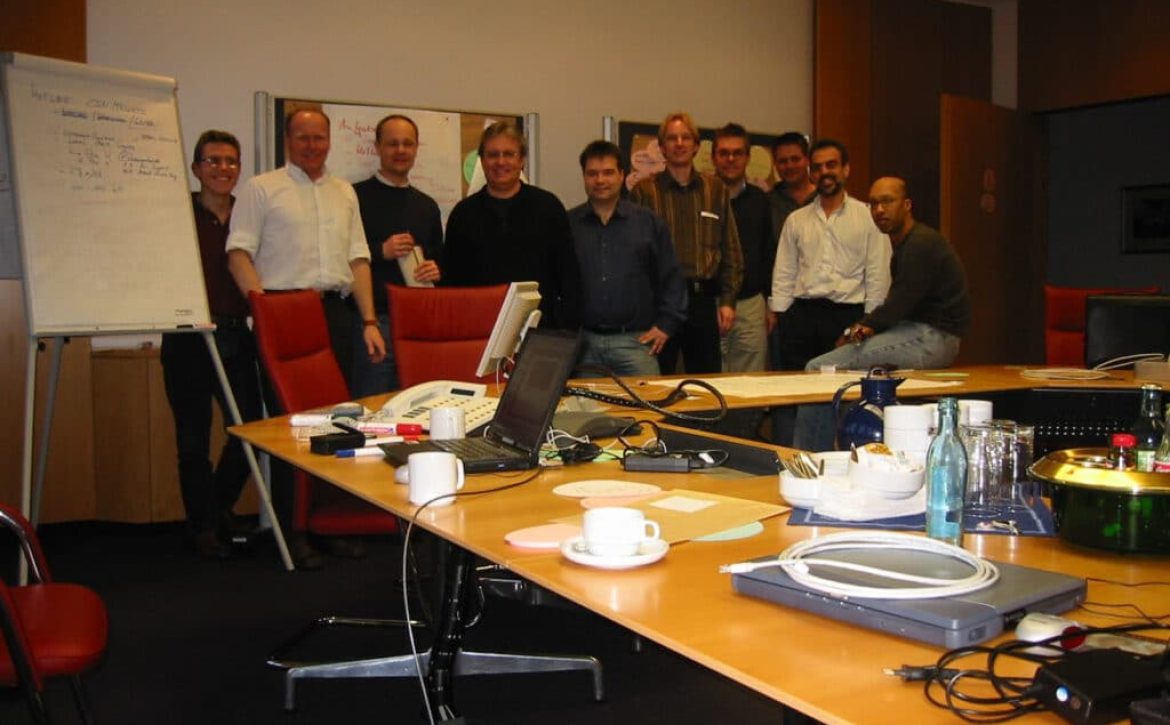
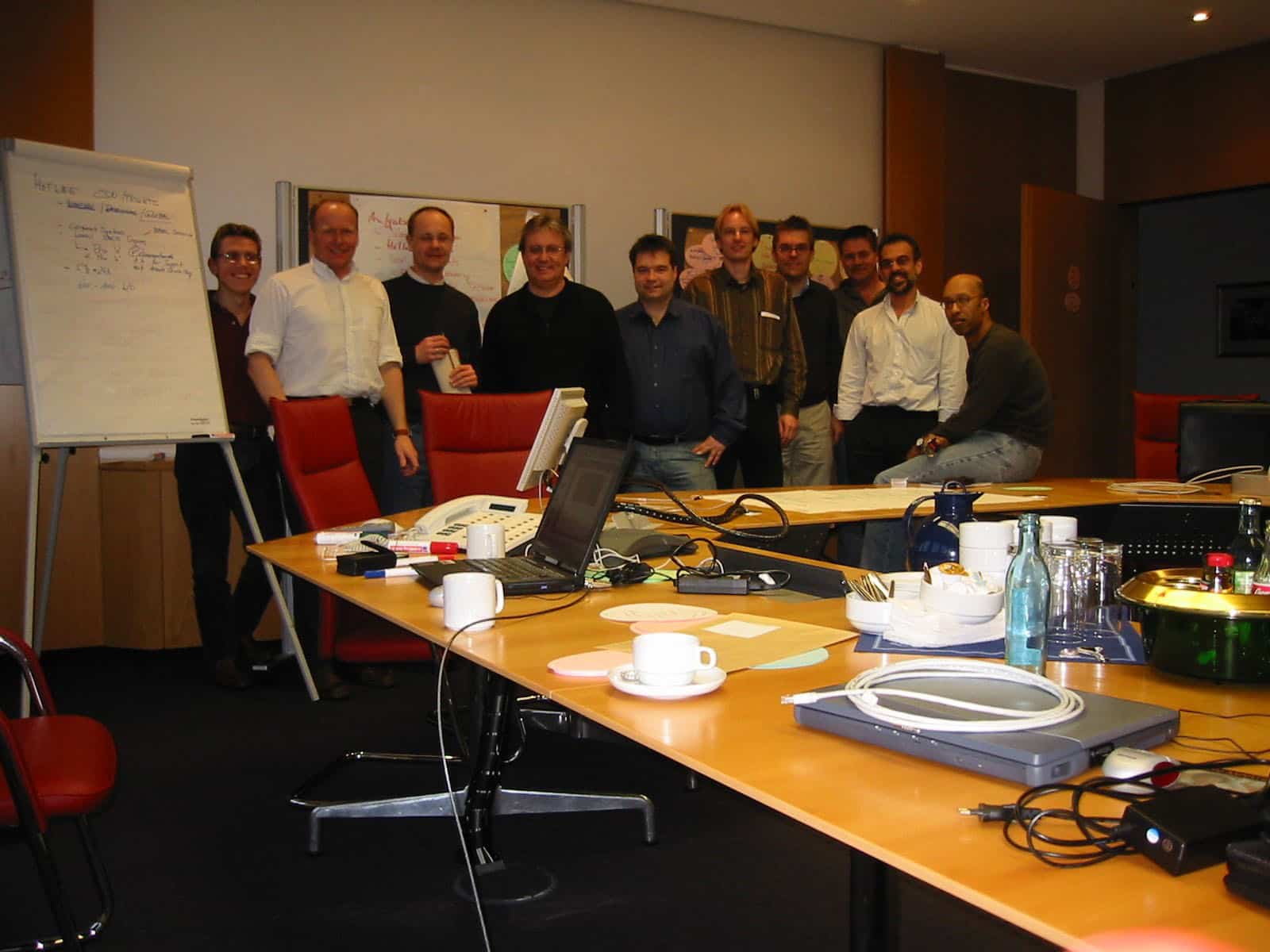
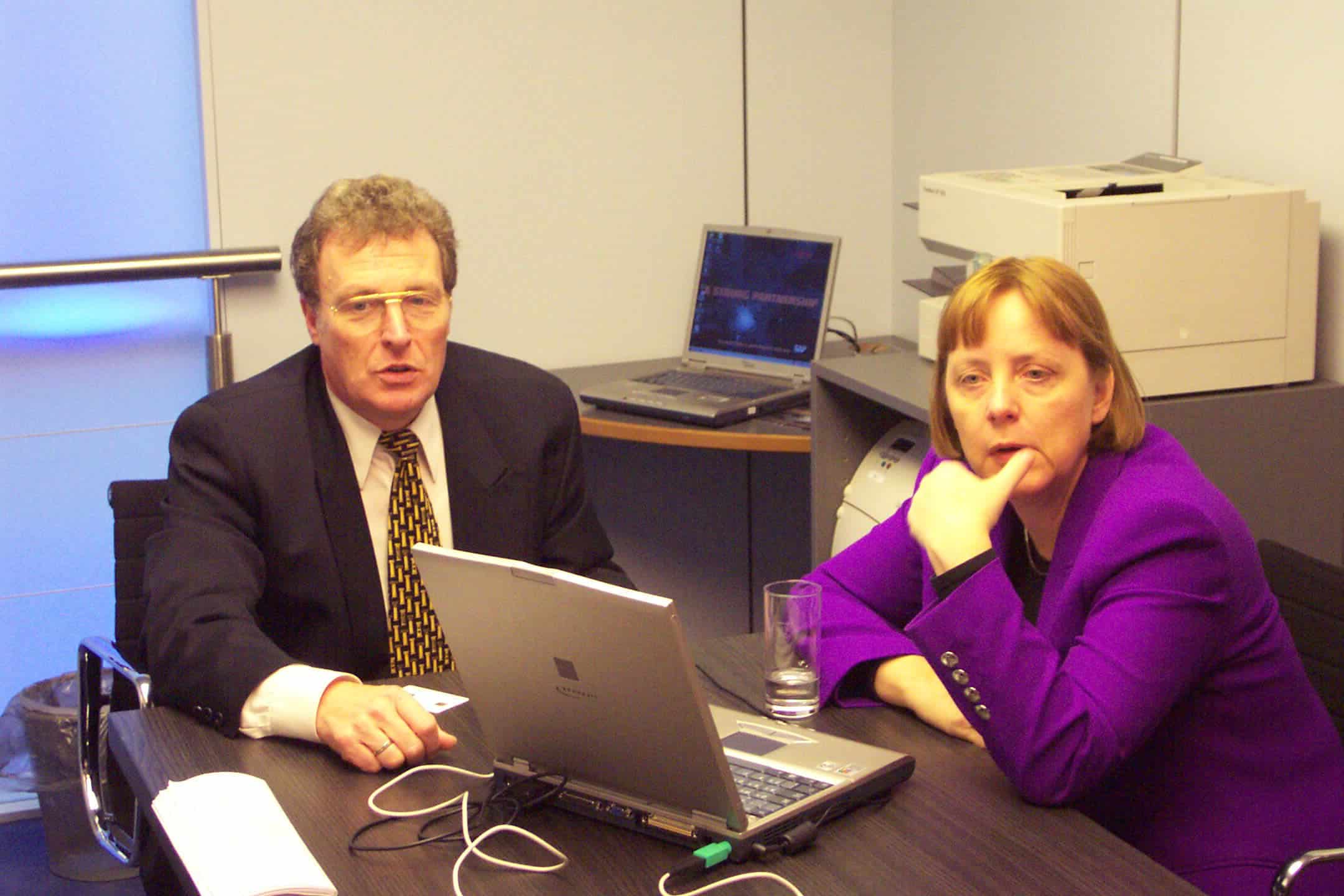
The IDES team at a meeting in 2003 (from left): Jochen Rothermel, Gerhard van der Beck, Wolfgang Deventer, Peter Mierzwa, Martin Rupp, Bernd Hess, Wolfgang Müller, Volker Rein, Sergio Marcelo Cura Daball, Ashraf Hamed. Rothermel, van der Beck, Hess, Müller, Cura Daball, and Hamed still work at SAP. Dietmar Pfaehler in conversation with Angela Merkel, then chairperson of the CDU, at CeBIT in 2001.
IDES was shipped to the first customers in the spring of 1996 and was soon able to simulate the more than 1,000 business processes that could be mapped in SAP R/3. Initially, the focus was on finance, materials management, and sales. IDES allowed users to learn about the system in their own familiar working environment, using examples that were specific to their company. The IDES team grew, and it was not long before they were building around 800 customer-specific demos – per week – as Gerhard van der Beck says. During this period, Training, Demo, Consulting (TDC), a dedicated IT team responsible for making system copies and handling the technical maintenance of the IDES systems, was also set up. Having established IDES and seen it through to its initial milestones, Pfaehler left SAP (although he rejoined the company at a later date) and van der Beck, ably supported by Cura Daball, took over as head of the IDES team.
The Internet: A New Opportunity
SAP co-founder Hasso Plattner liked the IDES idea – even more so when Cura Daball and van der Beck suggested putting the system outside the firewall and using it to demonstrate that SAP software could run on the Internet. “To do this, we had to reduce the complexity and radically streamline the system,” van der Beck says. “Hasso was thrilled when we managed to reduce highly complex transactions involving multiple screens and subscreens down to the bare minimum. Now, for the first time, SAP users could create an order by navigating two screens and making just a few clicks,” Cura Daball adds.
“Customers who purchased an SAP license could install an IDES system free of charge,” says Jan Krell, who, with Thomas Habersack, was responsible for delivering the system. However, the team’s main clients remained Sales and Presales, who used IDES to show customers what SAP could do.
IDES continued to evolve over the years. As the Internet’s popularity increased, the system’s name changed slightly – from “International Demonstration and Evaluation System” to “Internet Demonstration and Evaluation System” and, starting in 1999, it gave customers, partners, and prospects a way of trying out mySAP.com online. According to SAP’s 1999 Annual Report, IDES was also expected to “reduce sales and marketing costs in the medium term.”
Because the IDES team relied on specialists from other departments and on instructors and students to enter, manage, and update the IDES data and to test the system after each update, it remained relatively small, never numbering more than 30-35 members. “At times, our colleagues were amazed at what we managed to do with so few people,” says Thomas Schulze, who was responsible for IDES documentation. “Being able to say you’d spent six months on the IDES team testing and learning the applications was a real door-opener. You learned so much on that team, and it was a real advantage when applying for positions within SAP. Many of those who worked on IDES in the early days stayed at SAP and built a career here,” he adds. Proof enough that Pfaehler’s wish for IDES to become a “training ground for the next SAP generation” came true.
“Proud of IDES”
“As a long-serving sales and presales employee and – more particularly – as a former SAP customer, I’ve always understood the importance of having examples that are clear and easy to follow. The IDES project gave us our first-ever opportunity to provide those examples to all our employees – and later also to our customers – to explain how the system’s complex processes worked and make them simpler to learn and understand.
Even now, many years later, it still feels great to know that so many different people from our vast SAP family came together to create IDES, and that an amazing team was there to take up the reins and continue the work we started.
I’m proud of SAP and IDES and of everything we achieved with it. And I’m grateful to everyone who worked on it and enhanced it over the years.”
– Dietmar Pfaehler
Growing Complexity
As the 1990s drew to an end, a new level of complexity was emerging, driven largely by the arrival of SAP’s New Dimension products – CRM, SCM, business intelligence, and others. With SAP transforming into a multi-product company, even the IDES team was stretched to its limits. “As a demo team, we had to cover the entire product portfolio, which meant dividing topics between us and specializing,” Krell says. But, as Schulze adds, “There was simply no way that we could maintain that level of complexity in the long term,” .
At the same time, SAP’s new head of marketing Marty Homlish, who joined the company in 2000, was pushing – with Plattner’s backing – for “our demo system to be better and more appealing,” van der Beck says.
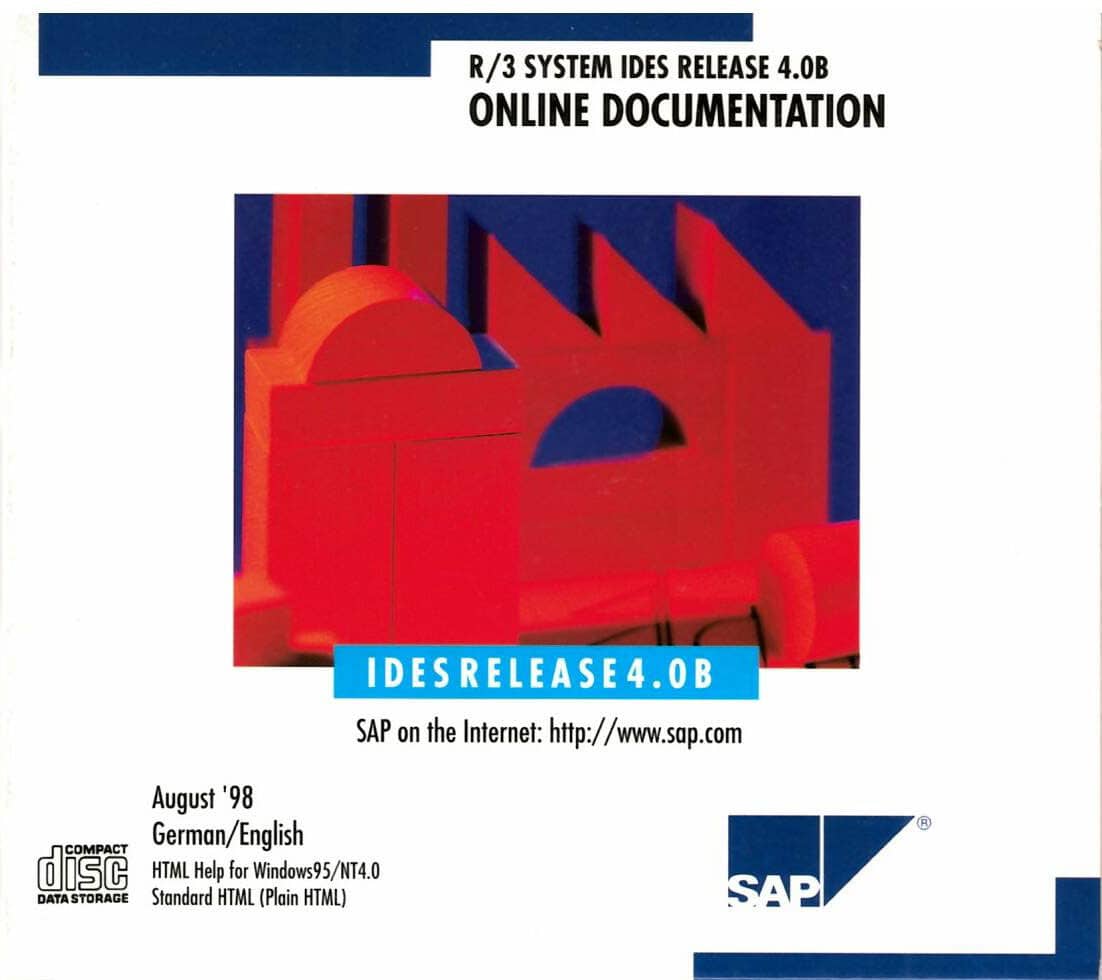
CD cover, 1998.
And despite efforts to meet customer expectations for a simple and fast way of testing SAP software over the Internet by inviting them to “Test-Drive Your Solution Online,” it became clear that IDES had had its day. “The performance wasn’t good enough; the technology – the Internet Transaction Server – was not as stable as we had hoped,” van der Beck says.
IDES gradually became less and less relevant. Yet the team, now called Solution & Innovation Experience (SIX) DID (Demo Infrastructure Delivery), still exists today – and operates the SAP Demo and Education Cloud environment, which contains systems used by SAP’s presales and sales personnel to demo software for customers. Nowadays, Krell and his colleagues refer customers who want to download a test package to the SAP S/4HANA fully-activated appliance.
While Pfaehler has long since retired, and recently ended an eight-year stint managing Dietmar Hopp’s Anpfiff ins Leben non-profit organization, Cura Daball and van der Beck are still at SAP – having served for 36 and 30 years respectively. They and their colleagues built IDES as an innovative demo system that still has its supporters today, such as SAP University Alliances. van der Beck now contributes his expertise to the Customer Adoption team, and Cura Daball works in the Customer Services & Delivery Board area, where he develops automation tools for demo and training system landscapes. Both still have a great deal to give to the company that means so much to them.
Stay updated on all things SAP by following SAP News on LinkedIn