



Cyclife Implements SAP S/4HANA ERP in the Public Cloud
Cyclife, a subsidiary of the EDF group, has chosen the SAP S/4HANA ERP to streamline its operations and support its growth, deploying the system in a public cloud environment. Cyclife, established in 2016, specializes in the dismantling and management of radioactive materials and waste, contributing to the sustainability of nuclear energy. With a rapid expansion […]
The post Cyclife Implements SAP S/4HANA ERP in the Public Cloud appeared first on InsideSAP.
Unlocking the Potential of Intelligent ERP: SAP S/4HANA Cloud Public Edition 2408 Update
The 2408 update to SAP S/4HANA Cloud Public Edition brings the latest enhancements to our intelligent ERP solution, designed to help businesses run efficiently and effectively.
As a leader in the SaaS and cloud-enabled midsize business ERP applications market, as named by IDC, we are committed to delivering continuous value to our customers. Let’s dive in and explore the exciting new enhancements of SAP S/4HANA Cloud Public Edition 2408 update.
Improved Productivity with AI
The latest AI innovations for SAP S/4HANA Cloud Public Edition are redefining the way businesses operate. With embedded AI capabilities, companies can now streamline operations, make data-driven decisions, and ultimately drive growth and success in today’s competitive market.
Embrace the future of business with these state-of-the-art AI innovations:
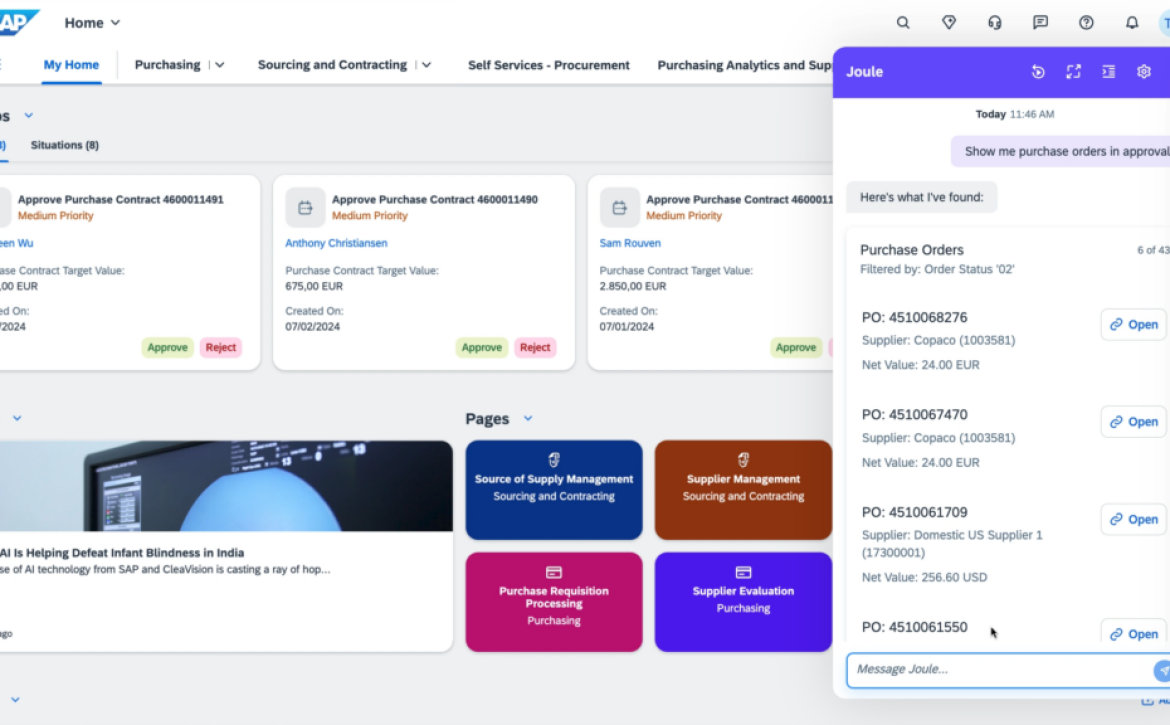
Our AI copilot Joule enables users to express their business need in natural language and supports with answers based on SAP Help Portal documentation, with fast navigation to applications and with role-based insights on business objects.
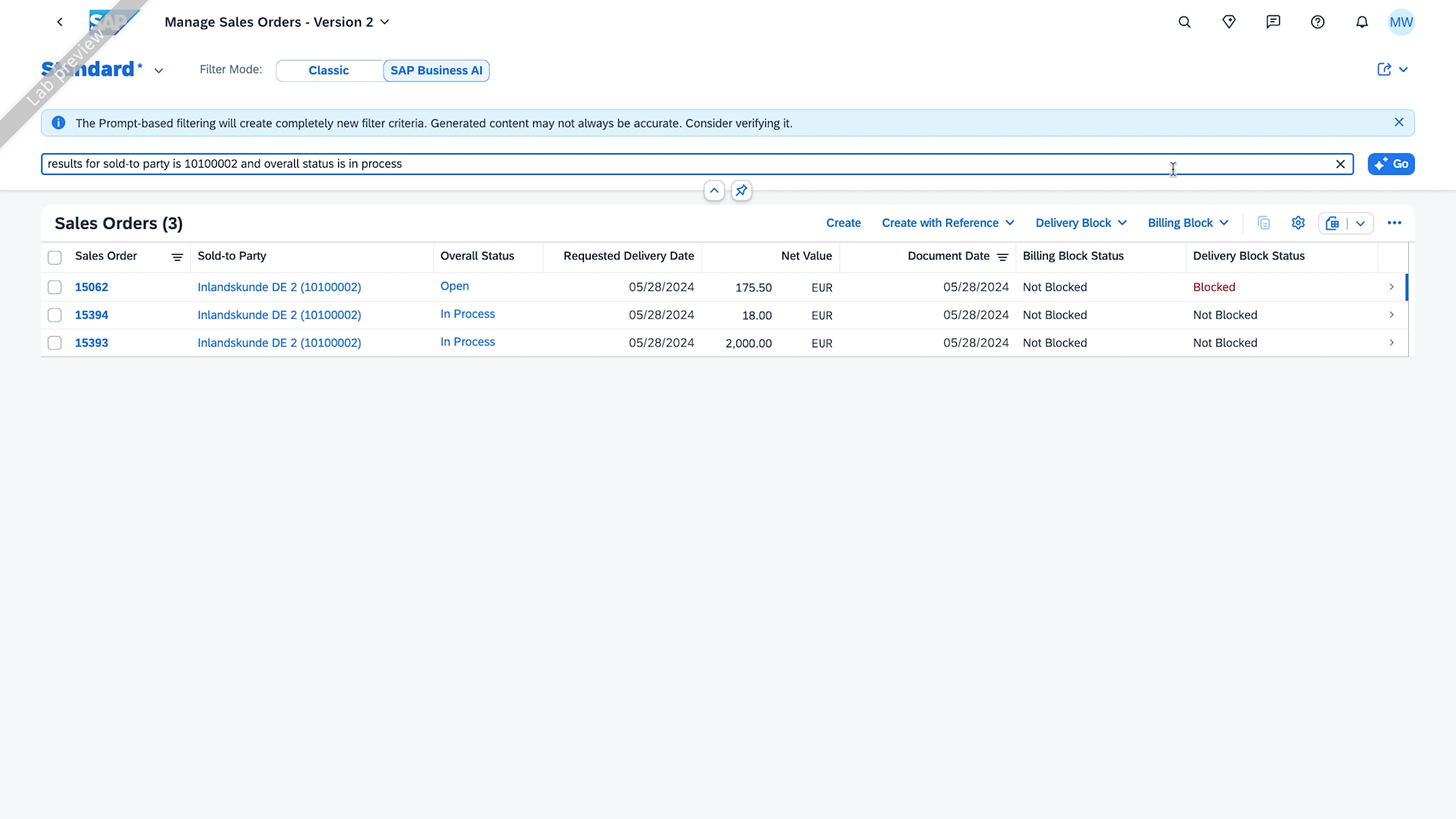
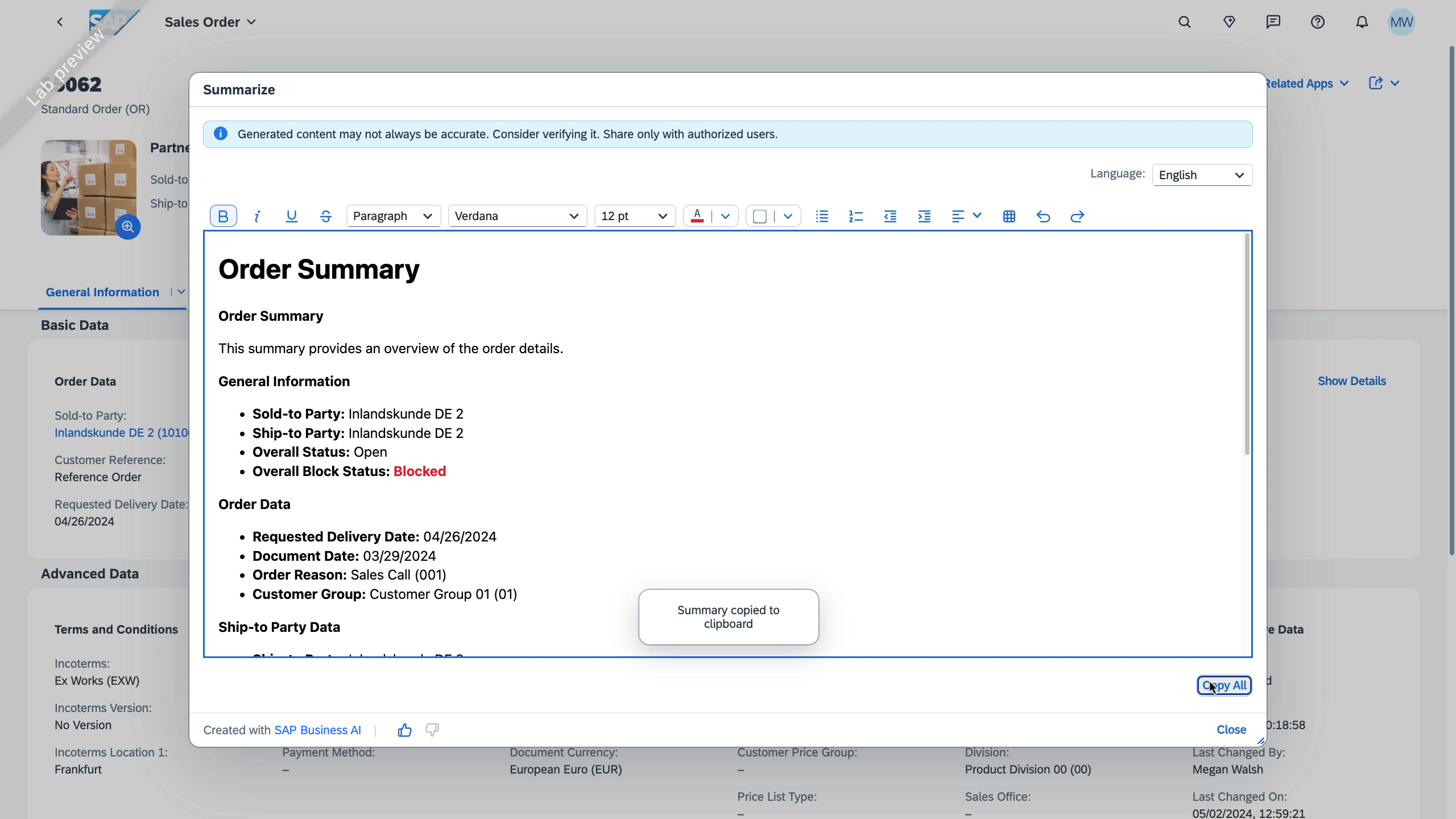
The AI-assisted easy filter and AI-assisted smart summarization features in SAP Fiori enhance the user experience for business users. These features allow for efficient natural language filtering of business data and seamless summarization capabilities, enabling users to quickly extract relevant information and jump-start subsequent collaboration. This leads to faster decision-making, improved productivity, and more effective communication across teams.*
Intelligent resource matching reduces the time to find skilled resources by providing advanced skill matching.*
Leveraging generative AI, the review booklet for cost centers enables faster analysis and understanding of cost center data, facilitating quicker insights and more informed decision-making.*
*These features are currently available in beta; sign up here
Modern and Collaborative User Experience
This update is set to transform the way users work with user experience enhancements, enabling direct access to important applications and intelligent decision-making features.
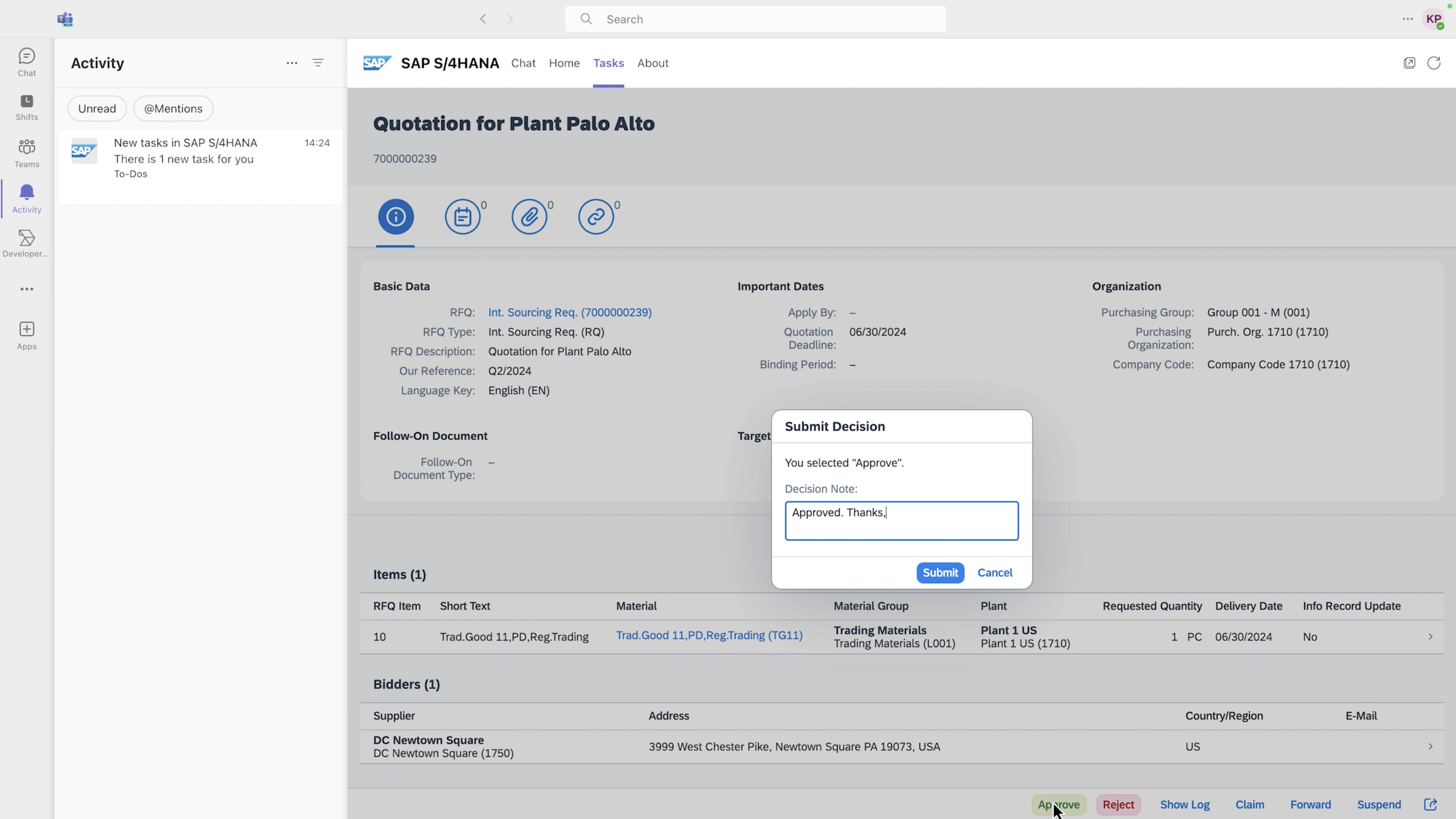
Notifications of To Dos in Microsoft Teams allow direct actions on workflow items, saving time and reducing the need to switch between applications.
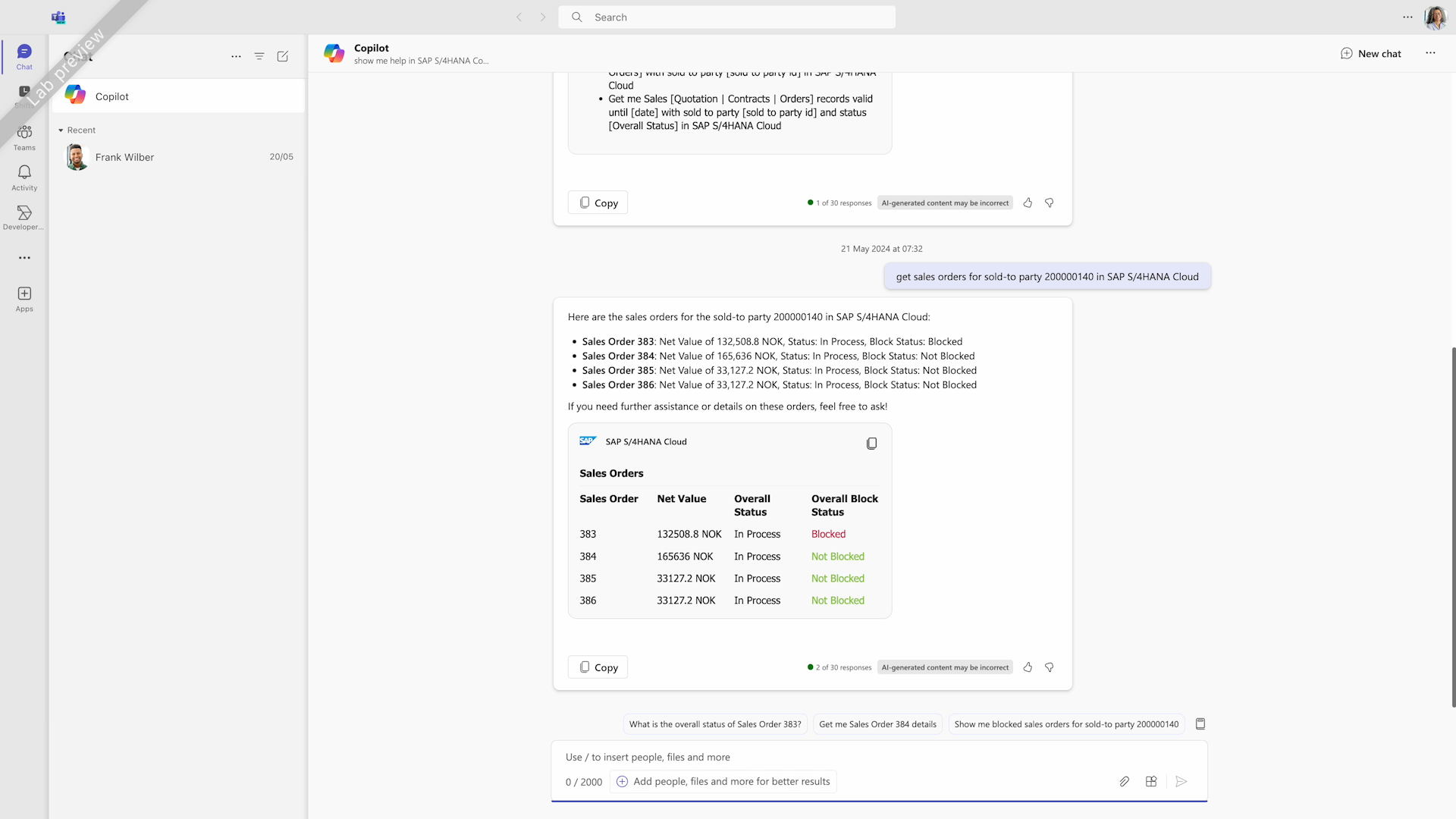
With the share as authenticated adaptive card-based loop component, users can collaborate with colleagues directly from an app and share live information using Microsoft Loop components. Cards can be copied between Microsoft applications; for example, from Microsoft Teams to Microsoft Outlook.
The Microsoft Copilot Integration for SAP S/4HANA Cloud Public Edition, in combination with share as authenticated card-based loop component, enables users to collaborate, share live data, and access business data directly from their daily applications and activities.*
*This feature is currently available in beta
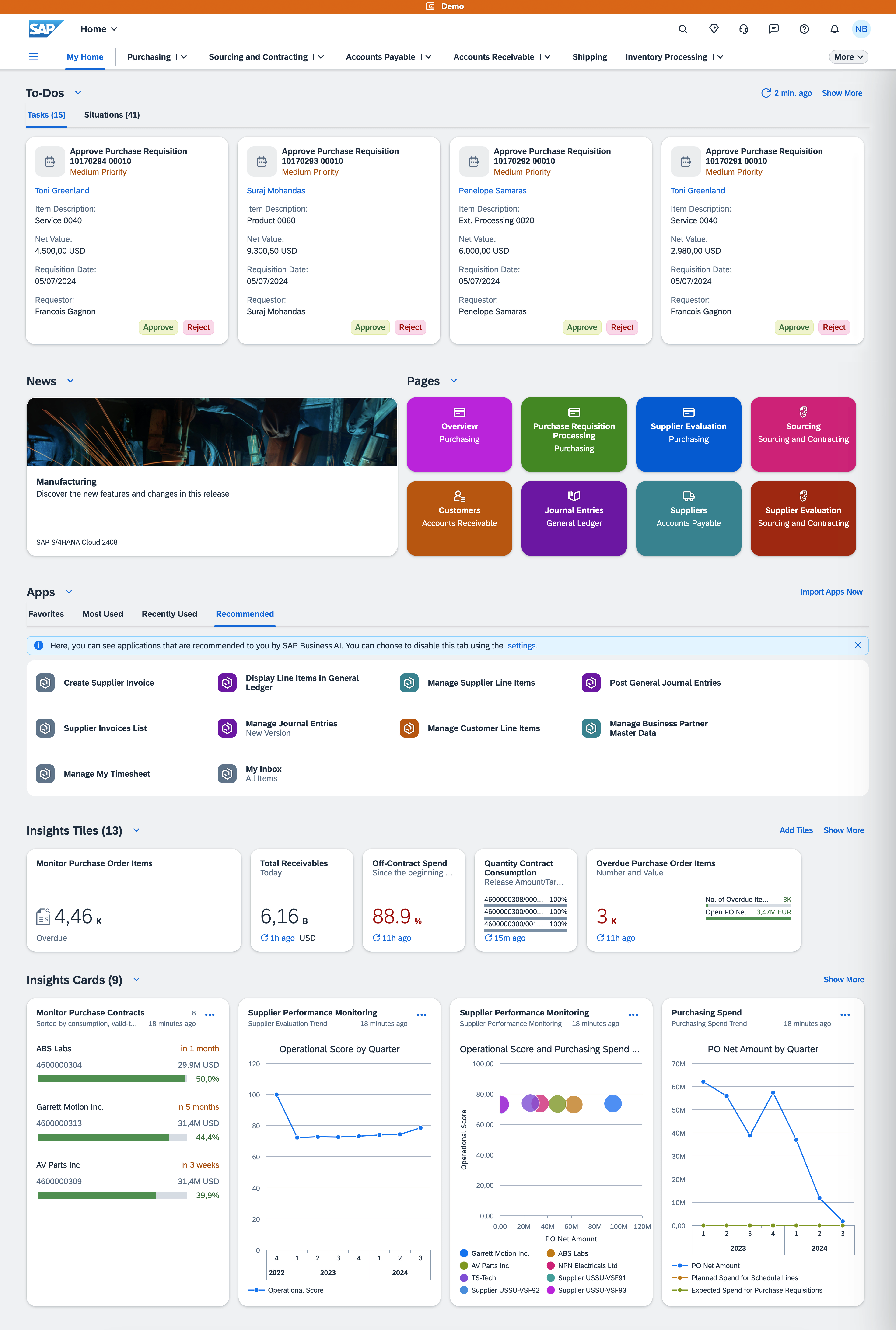
Updates to My Home include enhanced workflow-relevant information and in-place actions for daily tasks, an intelligent homepage experience to boost productivity, intelligent app recommendations, and pre-delivered cards for new cloud customers. The updates allow business users to execute their tasks in My Home with speed and precision.
SAP Mobile Start allows direct access to the most important applications on the start screen with app favorites, displaying SAP Analytics Cloud KPIs as monitoring tiles and widgets, and managing to-do attachments to support the decision-making process.
Intelligent and Sustainable Finance
Propel your business toward a more intelligent and sustainable future with the latest finance enhancements, providing tools to achieve transparency, analyze financial data, and streamline processes to improve your business performance.
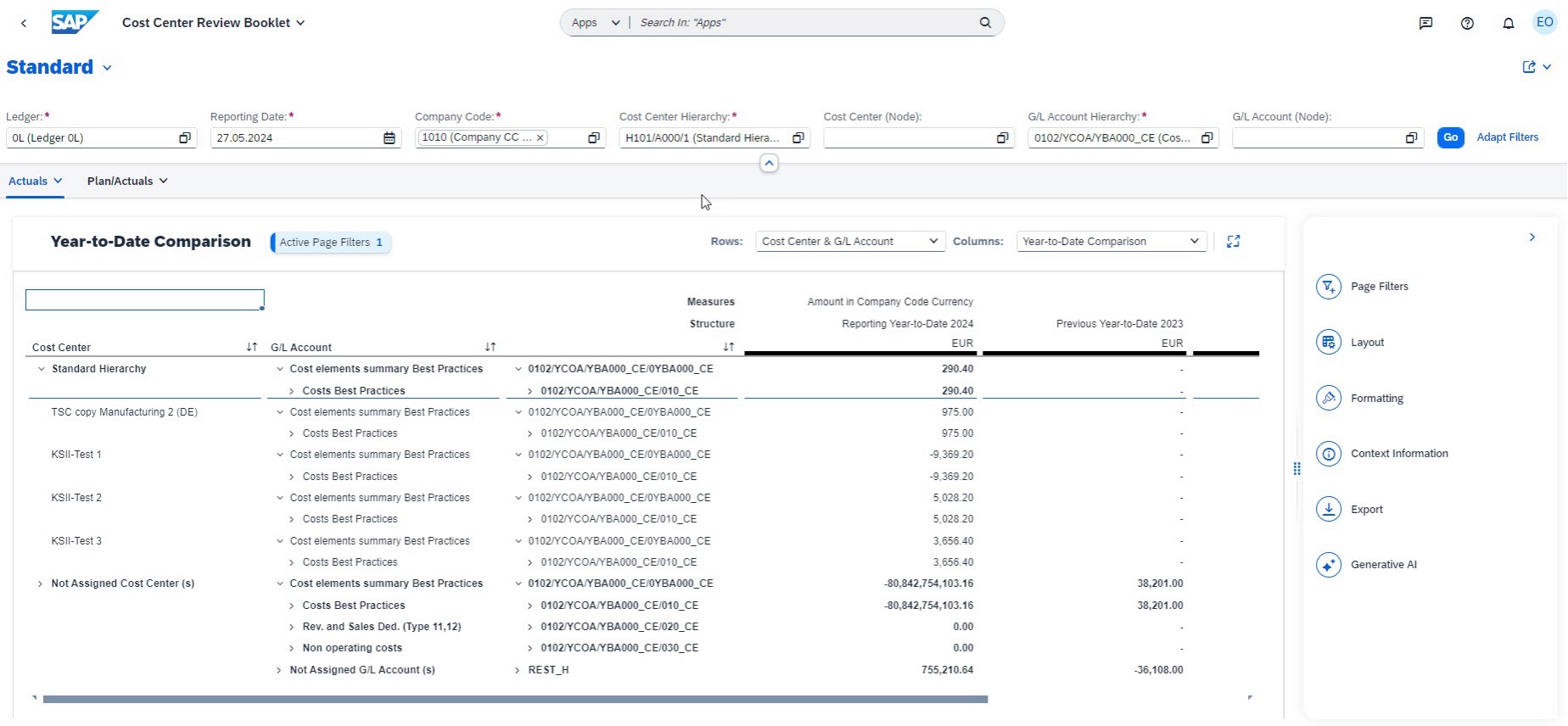
The cost center review booklet provides overhead cost accountants with transparent cost-center reporting, enabling daily analysis of actuals, plan data, commitments, and statistical key figures in one report, with the ability to switch between guided views and adaptable slicing, dicing, and pivoting based on business needs.
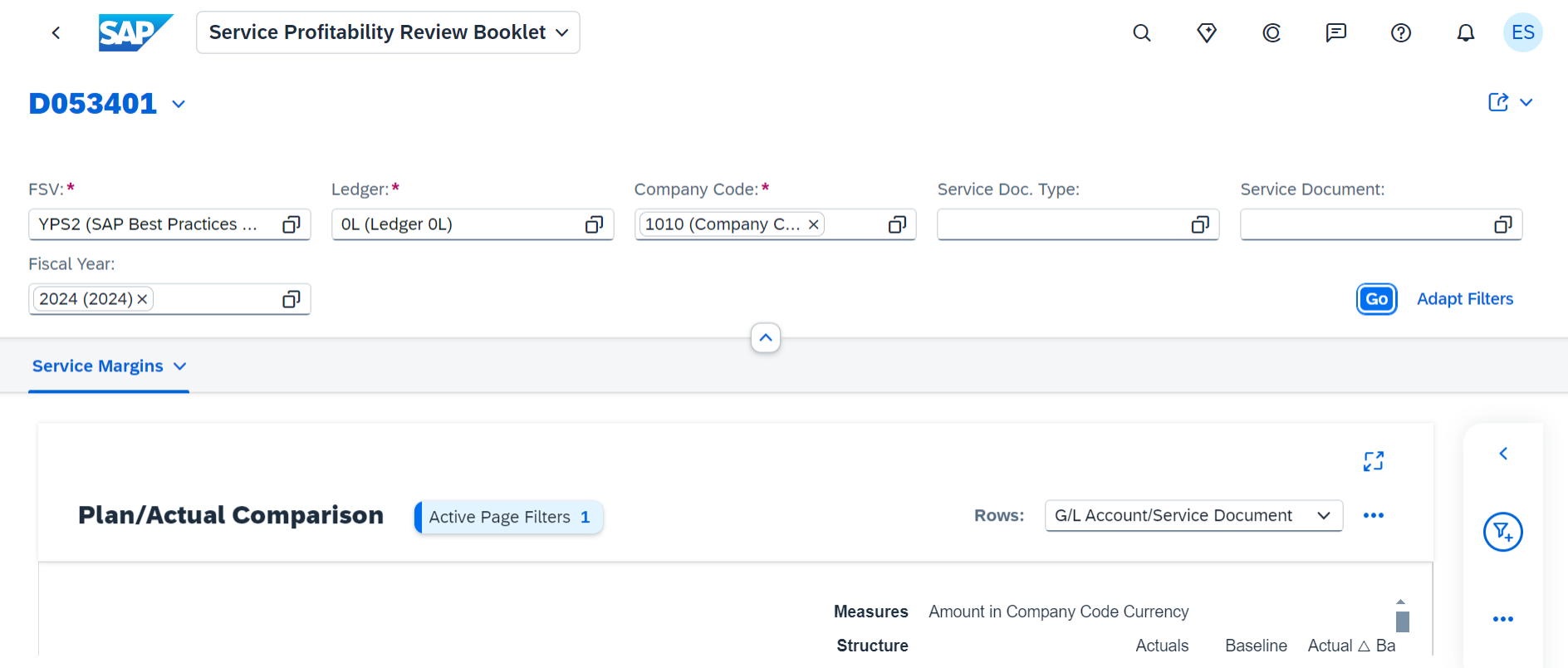
The service profitability review booklet provides an interactive and comprehensive view of the financial KPIs related to the service profitability.
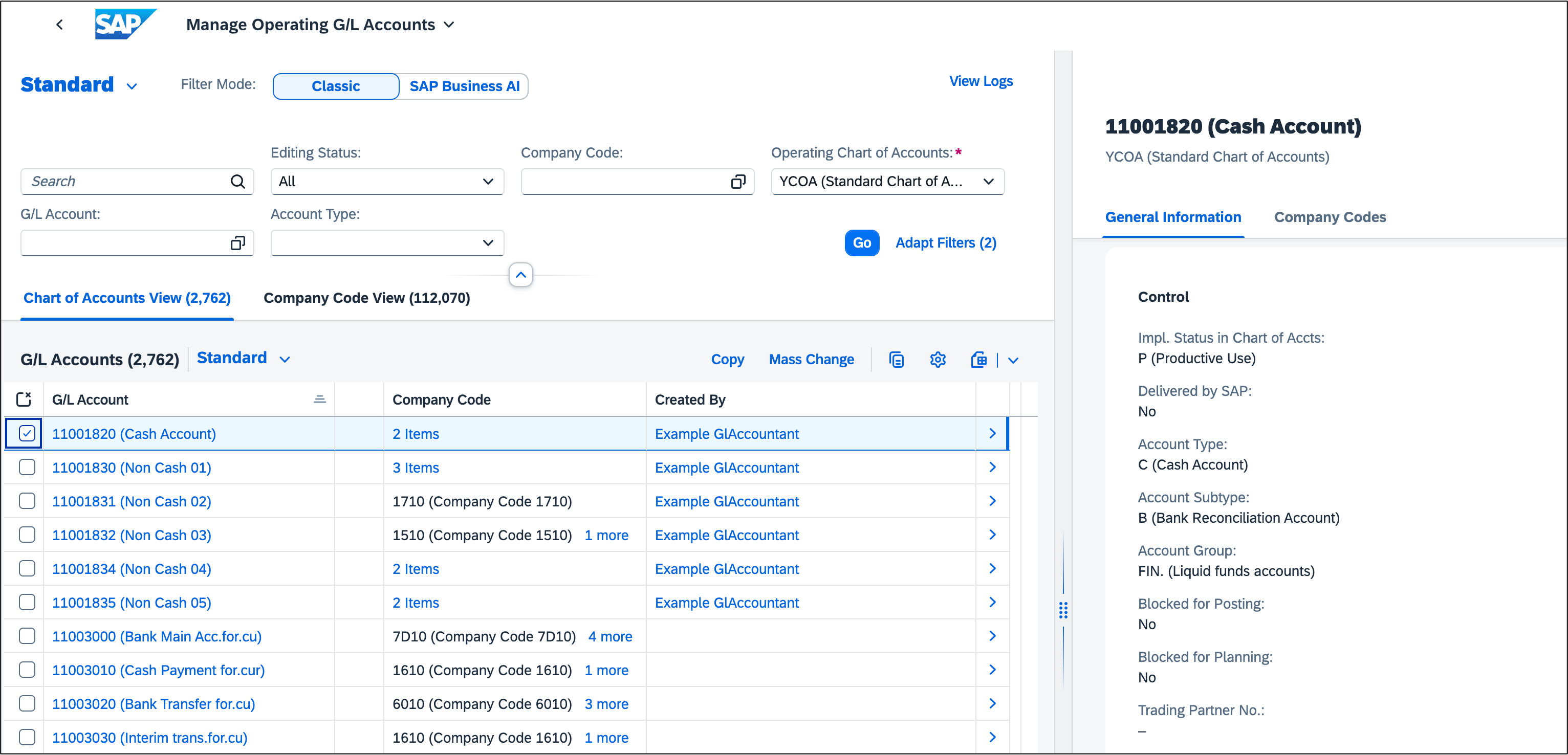
The Manage Operating G/L Accounts app streamlines processes and increases performance with a modern SAP Fiori app, providing a user-friendly interface and efficient workflows that enhance overall productivity and accuracy in managing general ledger accounts.
Powering Service-Centric Companies
The latest updates for service-centric companies support your business growth and improve your operational effectiveness.
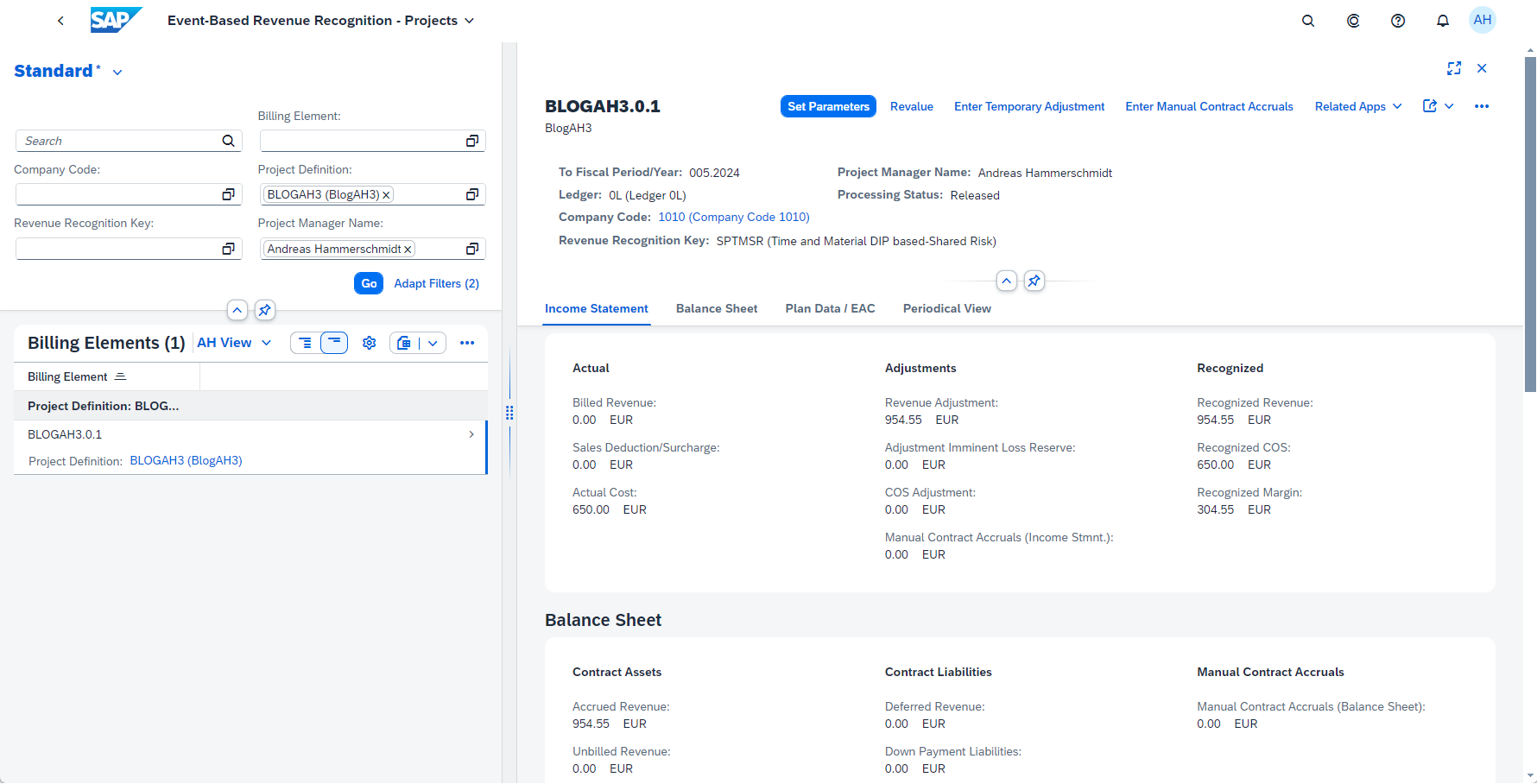
Professional services companies can implement and automate a new business model in which they can negotiate a shared risk approach with their clients. This leads to more accurate real-time profitability and reduces the need for manual effort when a lower cost rate is negotiated for additional work.
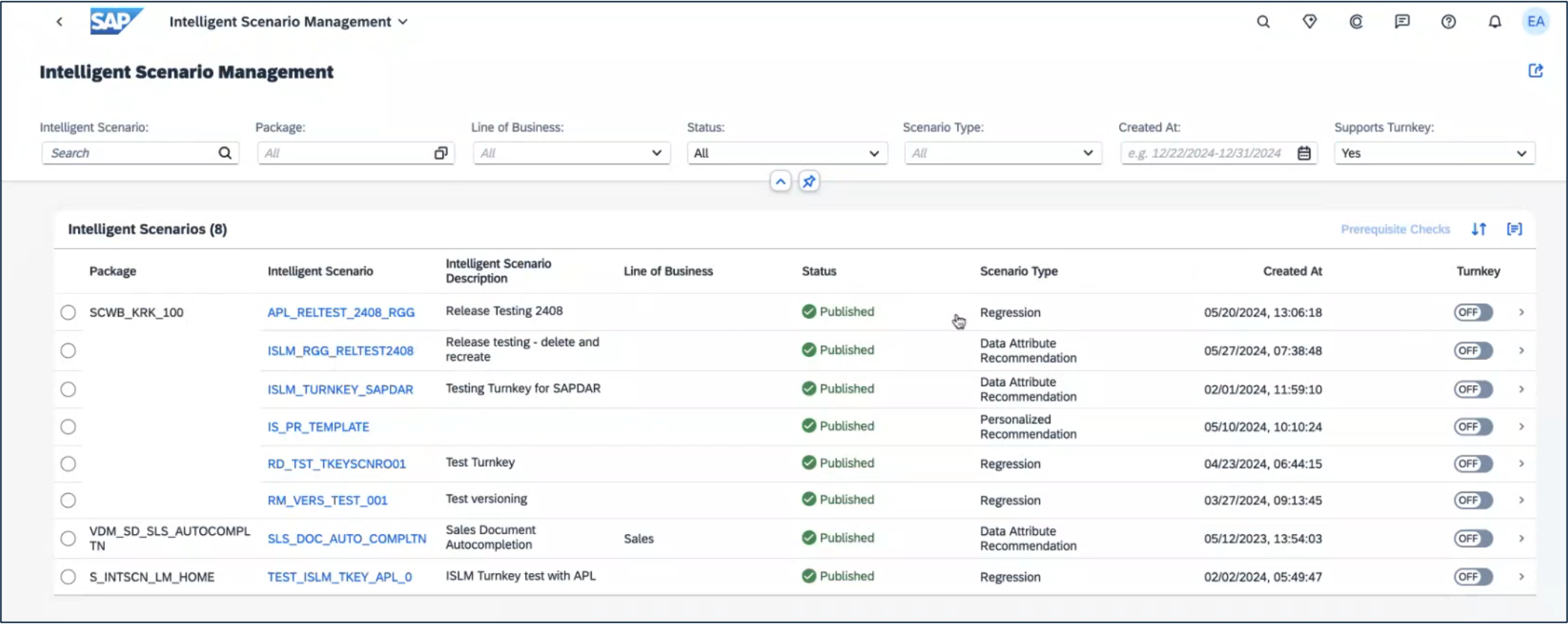
Automating recommendations and simplifying the sales order process as part of the modern order management journey improves efficiency for internal sales representatives. This reduces administrative efforts and provides seamless support for business users in their daily work.
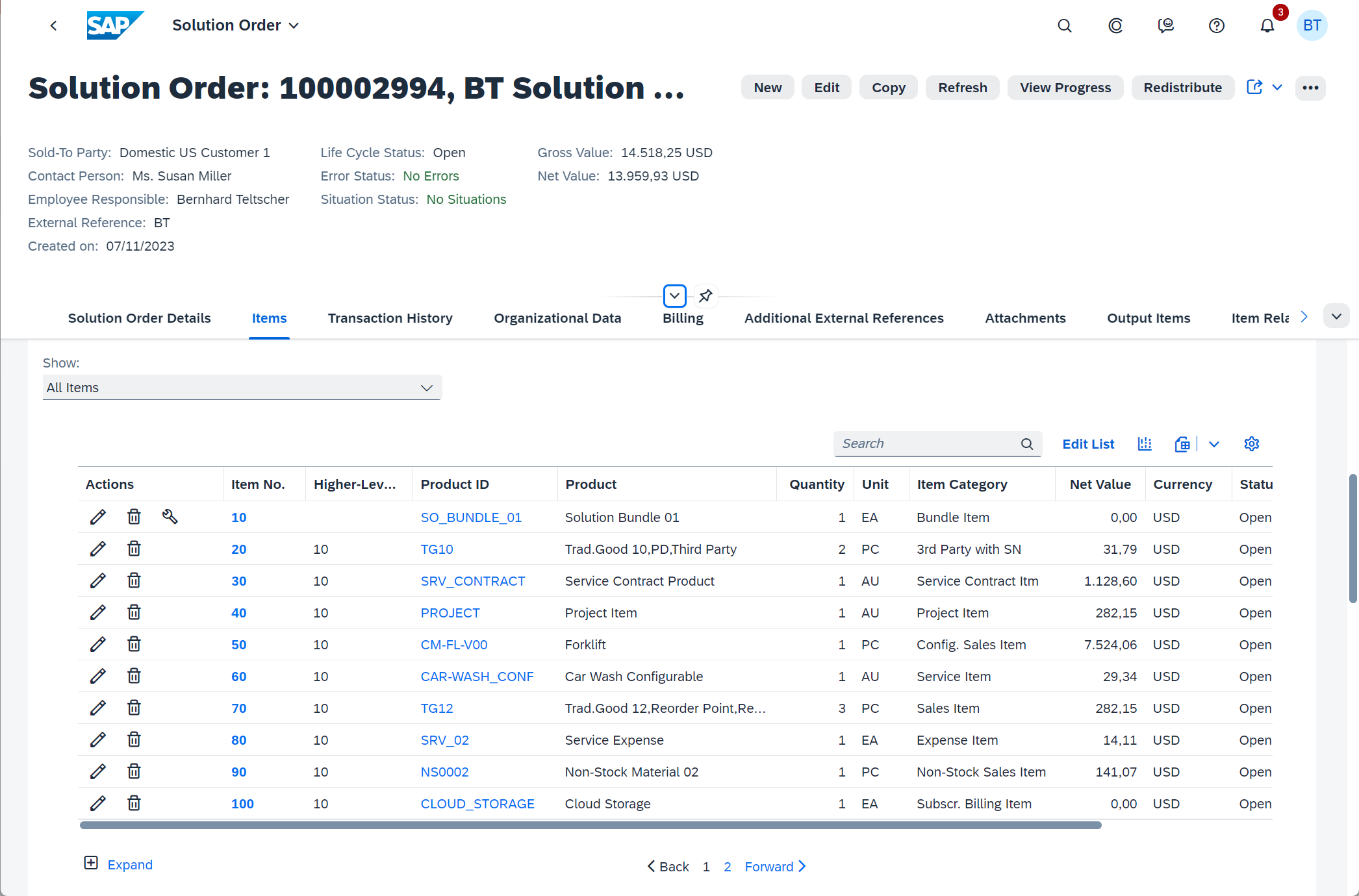
By leveraging advanced solution bundling in solution orders, businesses can facilitate the transition from selling products to higher-margin services and solutions, using pre-defined configurable bundle products which consist of various components in one order.
Changeable sales orders for solution orders provide flexibility in defining business roles through segregation of duties for solution order capturing and sales order fulfilment, improving business user productivity. Additionally, rate plan selection in solution orders minimizes the subscription master data required to accommodate the variations of a subscription business model.
The creation of proof of services for unplanned lean services by referencing existing contracts guides users to the right contract item during the creation of service entry sheets. This supports compliance with contract-based buying for unplanned services and offers flexibility to suppliers for selecting products and services from contracts when submitting proof of service.
Boosting Manufacturing and Product-Centric Companies
Elevate operational efficiency, streamline processes, and unlock new revenue opportunities with updates for product-centric companies.
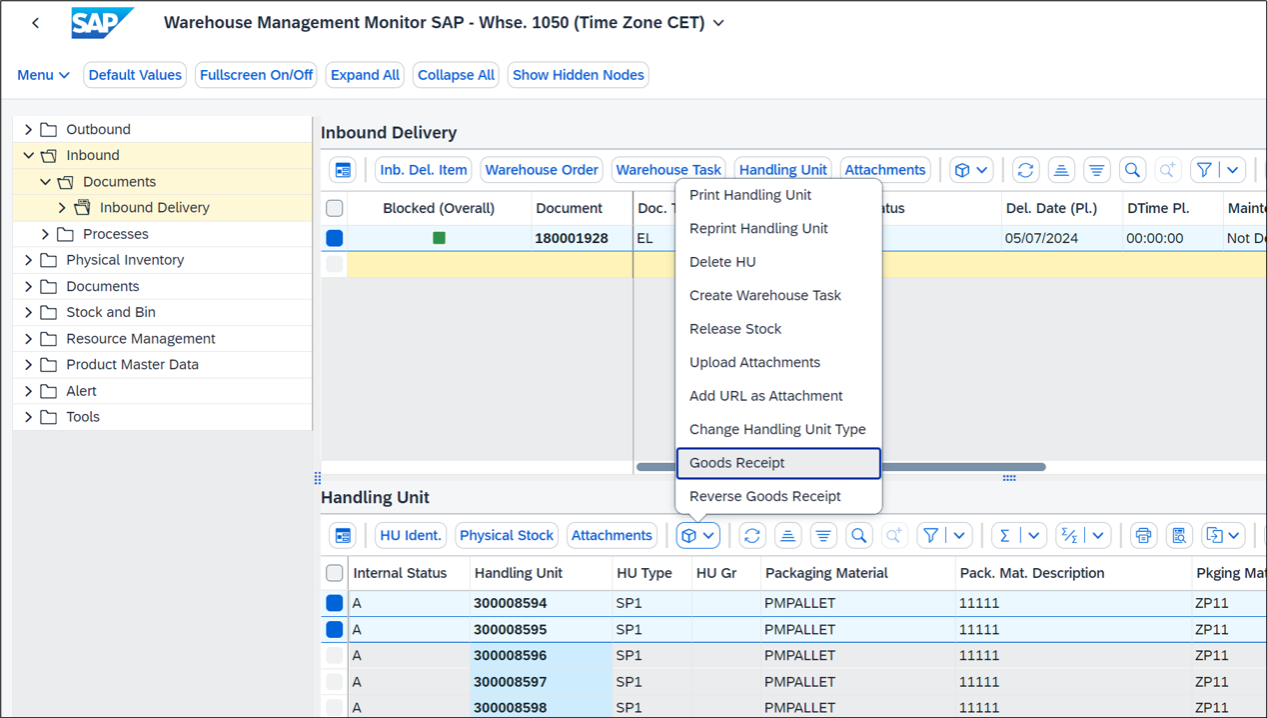
Partial goods receipt posting enables the warehouse staff to receive the handling unit and start the put-away process immediately after unloading it, instead of checking the complete inbound delivery first. By allowing immediate action on received goods, warehouses can streamline their workflows, improve accuracy in inventory recording, and optimize resource utilization — ultimately leading to better overall productivity and reduced operational costs.
Automate the generation of packaging items based on assigned handling units to effectively track stock count and manage packaging materials. Integration with SAP Returnable Packaging Management enhances supply chain transparency and operational efficiency by facilitating accurate exchanges and account reconciliation with business partners.
Enabling return to supplier (scope item BMK) with cloud transportation management now supports advanced scenarios for efficient transportation planning for supplier returns. This enhancement optimizes logistics, ensuring timely and cost-effective return shipments, ultimately improving supply chain efficiency.
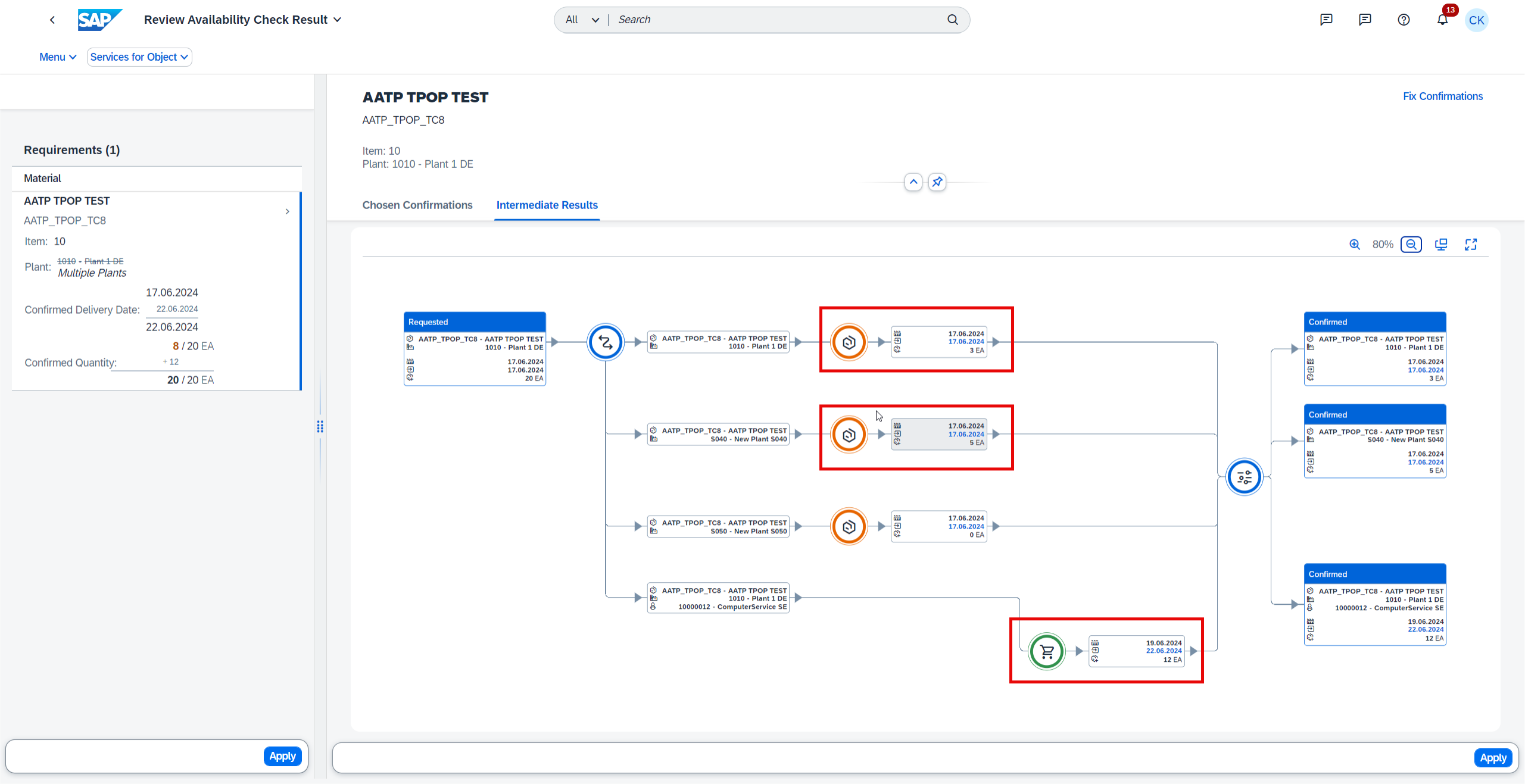
Enhancement of the dynamic third-party order processing with advanced available-to-promise functionality increases order fulfillment rates and flexibility in sourcing, based on availability information, and minimizes logistical steps and costs by directly shipping from the supplier to the customer.
Establishing a Solid SaaS Foundation
The latest SaaS foundation enhancements are designed to improve your experience and workflow efficiency:
- Localization investments have been made to ensure compliance with local regulations and cultural norms, including the introduction of new local public-sector version for Germany, Canada, Australia, the Netherlands, and the UK and functional enhancements to our standard 59 local versions
- Providing a unified access to documentation about identity and access management on the SAP Help Portal ensures regulatory compliance and compliance with security standards
- The purpose assignment for business partner master data simplifies data separation of master data along with data controller and purpose attributes (legal entity) for most business processes dealing with personal data
More Information on SAP S/4HANA Cloud Public Edition
For more details on what is being delivered for 2408, see the SAP S/4HANA Cloud Public Edition release info.
- SAP S/4HANA Cloud Public Edition release information
- SAP S/4HANA Cloud Public Edition on SAP Community
- Latest SAP S/4HANA Cloud release blog posts and previous release highlights
- YouTube playlist: product videos on SAP S/4HANA Cloud
- Early Release webinar series
- What’s New
- SAP Help Portal product page
- Read more about the SAP S/4HANA Cloud Public Edition AI innovations
- Explore extensibility options by leveraging sample scenarios in the SAP Extensibility Explorer
- SAP Business AI
Arpan Shah is senior vice president of Public Cloud ERP Product Management at SAP.

SAP S/4HANA ERP
The post SAP S/4HANA ERP appeared first on InsideSAP.

SAP Announces Q2 2024 Results
WALLDORF — SAP SE (NYSE: SAP) announced today its financial results for the second quarter ended June 30, 2024.
- Current cloud backlog of €14.8 billion, up 28%, both at nominal and constant currencies
- Cloud revenue up 25%, underpinned by 33% Cloud ERP Suite revenue growth, all at nominal and constant currencies
- Total revenue up 10%, both at nominal and constant currencies
- IFRS cloud gross profit up 29%, non-IFRS cloud gross profit up 28% and up 29% at constant currencies
- IFRS operating profit down 11% due to restructuring expenses of €0.6 billion. Non-IFRS operating profit up 33% and up 35% at constant currencies
- 2024 financial outlook reiterated. 2025 operating profit ambition increased to reflect anticipated incremental efficiency gains from expanded transformation program

“Our cloud growth momentum remained strong in Q2, with Business AI enabling many deals. We continue to execute on our transformation with great discipline, leading to an increase in our operating profit ambition for 2025. At the same time, we continue to invest into our transformation to be the leader in Business AI. Given our progress and strong pipeline, we are confident to achieve accelerating topline growth through 2027.”
Christian Klein, CEO
We are staying squarely focused on delivering our outlook for this year. Our current cloud backlog growth during the second half of 2024, and especially in Q4 will be decisive to lay a solid foundation for our cloud revenue ambition for 2025. At the same time, we’ll continue to execute against our transformation plan to achieve our 2025 free cash flow ambition despite a mid-triple-digit million cash out for restructuring spilling into next year.
Dominik Asam, CFO

SAP and McKinsey Pioneer Value Creation with Value Finder
SAP and McKinsey have joined forces to launch a new initiative called Value Finder, aimed at transforming the way businesses harness value from their processes. The collaboration between SAP and McKinsey is not new; it builds on a robust, long-standing alliance. Earlier this year, they introduced Generative Enterprise, a solution designed to synergize SAP Business […]
The post SAP and McKinsey Pioneer Value Creation with Value Finder appeared first on InsideSAP.
Serving Customers Better with Lean Selective Data Transition
At SAP Sapphire in 2024, Stefanie Kuebler, global head of Business and Data Transformation Solutions at SAP, and her team announced the eagerly awaited lean selective data transition for SAP S/4HANA in SAP Business Transformation Center.
Here, she shares about how the pair work together to help supercharge customers’ digital transformations.
Q: Can you give a little background on SAP Business Transformation Center?
A: SAP Business Transformation Center was envisioned as a one-stop shop for customers that want to transition from SAP ERP Central Component (SAP ERP) 6.0 to SAP S/4HANA. The challenges to such a transformation are, of course, numerous and daunting. Customers need to cull current data, pull together fragmented tool sets, line up the right human resources, and keep an eye on time to value.
With SAP Business Transformation Center, we’ve done our best to bring together the latest functionality and expert guidance to smooth the way – in a single, powerful software-as-a-service (SaaS) offering. And SAP Business Transformation Center is easily accessible, deployed on SAP Cloud ALM atop SAP Business Technology Platform (SAP BTP). It comes with any implementation of RISE with SAP or any cloud solution from SAP and can be ready to use in less than half an hour.
Q: Where can customers go for further details?
A: The support materials at SAP Business Transformation Center include a quick summary of features and benefits, along with the introductory video.
Q: What does SAP see as the core mission of SAP Business Transformation Center?
A: Kilian Carolan from the Premium Hub – CoE Ireland Data Management has described the mission this way: “To play an active part in the SAP S/4HANA adoption journey by supporting key data management and data migration topics and to serve as the trusted advisor for our customers.” He continues to explain that we do this through end-to-end support, including hands-on execution, optimization, transformation, upgrade, and migration of Big Data and data platforms. In short, we apply our vast portfolio of enterprise information management and landscape transformation tools, methodologies, and processes to the customer’s unique transformation scenario.
Q: Where are we in the ongoing evolution of SAP Business Transformation Center?
A: Our first step was to help customers fully understand the structure of their SAP legacy systems through the digital blueprint. This supplied the background they needed to begin scoping the transformation project. And now we’ve completed the second step for moving data across to the target system – with lean selective data transition for SAP S/4HANA.
Q: What exactly does the lean selective data transition for SAP S/4HANA do?
A: Data transformation is traditionally a highly complex undertaking, and we’ve made a huge dent in that complexity. Right at the start, lean selective data transition for SAP S/4HANA helps radically reduce the decision-making efforts involved in choosing data to migrate. The underlying principle is to provide smarter suggestions and fewer difficult choices through market-leading services and tools – and end-to-end advice on making the most of them. That approach helps customers ensure that they only move data that will continue to be useful, reducing the volume of data for the testing and go-live phases and accelerating the transition exponentially.
With lean selective data transition for SAP S/4HANA, customers can pare down SAP legacy data and bring the target system live with a clean data foundation. In combination with the digital blueprint, lean selective data transition for SAP S/4HANA can give SAP Business Transformation Center the power to do all the heavy lifting of accessing source systems; extracting, transforming, and loading relevant data; and validating data for completeness, consistency, and correctness.
Q: What types of data can customers choose to exclude from the transfer?
A: For example, they could decide to completely ignore obsolete company codes, such as data for companies they have since divested or which are no longer in use.
Q: What does the wider market see as the single most revolutionary aspect of lean selective data transition for SAP S/4HANA?
A: For the very first time, SAP provides standard functionality not only for complete rebuilds, greenfield implementations, system conversions, or brownfield implementations, but also for projects somewhere in the middle. This is a third path, if you will, and it’s a holistic approach to the big transformation from SAP ECC 6.0 to SAP S/4 HANA Cloud Private Edition.
Q: Can you take us a little deeper into how lean selective data transition for SAP S/4HANA works and how customers can benefit?
A: With the SAP Readiness Check tool for SAP ERP usage and data profiling, we can collaborate with the customer to read the data from the source system and identify legal entities that are no longer in use or will soon be obsolete. SAP Business Transformation Center then can propose that these entities and the associated data are “removed from the scope” before starting the data transition and can provide clear instructions on how to do this. It can also help to identify customer-specific data in the SAP legacy system. Here, too, the customer has the option of leaving this data behind on the way to SAP S/4HANA to support its clean core strategy and move closer to the standard again.
Both these jobs would previously have meant time-consuming manual work for the solution architect – and higher costs and longer time to value for the customer. With the addition of lean selective data transition for SAP S/4HANA to the already popular functionality for digital blueprinting, SAP Business Transformation Center can now provide optimal support and transparency in each phase of the transformation project. It helps customers analyze the source system, define migration scope, create migration cycles, and finally transform the leaner body of data they’ve elected to move across. From strategy to execution, we serve as a trusted partner, helping to ensure that every step of the way leads to meaningful insights and sustainable results. And that lowers both total cost of implementation (TCI) and total cost of operation (TCO).
Q: What have customers been saying about lean selective data transition for SAP S/4HANA?
A: Long-term partner BMW Group, for example, has told us, “This feature significantly speeds up our evolution into an intelligent enterprise by applying sustainable and efficient solutions and methodologies.”
Karin Baeumler is part of Go-to-Market, Business & Data Transformation Solutions, at SAP.
Revolutionizing Proactive Risk Management to Accelerate Business Process Transformation
Datricks, the leader in AI-powered risk mining, expands its relationship with SAP with the launch of Datricks for Risk Mining as an SAP endorsed app. The solution helps empower organizations to proactively detect, prevent, and mitigate risks through advanced technology and streamlined integration.
The strategic alliance between Datricks and SAP Signavio leverages the strengths of both to deliver unparalleled value to customers, revolutionizing proactive risk management to help accelerate business process transformation. Together, Datricks and SAP Signavio aim to provide a seamless and integrated solution for financial business risk mining and process management that supports both internal controls and business transformation. This collaboration underscores a shared commitment to innovation and excellence, driving forward the capabilities of risk management in the financial sector.
Datricks’ cutting-edge, AI-driven technology, combined with SAP Signavio’s leading expertise in business process transformation, helps deliver a comprehensive solution that can streamline operations and empower organizations to proactively identify and mitigate risks before they escalate into major disruptions. The solution can tackle the gap between business processes and compliance and can reduce long and expensive auditing cycles, allowing our customers to maximize efficiency and reduce costs. Risks and controls are identified by Datricks and then integrated into SAP Signavio solutions to access control and process effectiveness, fostering proactive risk management.
Our end-to-end solution enables customers to:
- Uncover hidden risks: Datricks’ AI-powered risk mining solution continuously analyzes 100% of customers’ financial data, exposing unseen anomalies and potential threats to financial integrity.
- Prevent financial and reputational damage: Mitigate risks proactively before they escalate, safeguarding your company’s financial health and reputation.
- Streamline audits and controls: Eliminate error-prone manual work and enhance existing controls with automated and reliable processes.
- Gain real-time insights: Receive immediate answers to audit-related questions, identify the root cause of risks, and make informed decisions with confidence.
Datricks for Risk Mining helps automate risk detection and mitigation, ushering in the era of autonomous finance. It seamlessly integrates with SAP Signavio solutions, offering a holistic view of risk and process management. Together, we provide an end-to-end solution for financial business risk mining and process management, supporting both internal controls and process transformations.
Mani Pirouz is chief business officer for SAP Business Transformation Management.
The Future With Intelligent Finance
The intelligent automation revolution has arrived. According to a recent report from McKinsey & Co, this is the third wave of digitization and generative AI, in which businesses can add new unstructured content to analytical AI’s structured data capabilities. This means we see massive productivity gains for businesses, especially regarding their finance operations.
For the CFO and their teams, there is a wealth of opportunity here, but also not inconsiderable risk. The best CFOs are masters of balancing risk with opportunity; those who can do it well right now have an immense opportunity to write a new playbook for AI leadership. That’s because effective AI strategies involve more than just tools. They require a strong sense of where the business value lies and a keen sense for ensuring every technology investment has a clear return for the business — all things savvy CFOs have in abundance.
Two areas that stand out are payments and cash flow management. Recent research from Gartner compared organizations it saw as leading the way with successful AI strategies and implementations with their competitors. The study revealed that 46% of organizations with the most successful AI implementations leverage AI in customer payment forecasting, illustrating the vast potential for AI in this space.
But it’s not just about forecasting accuracy. It has been estimated that as much as $44 trillion is locked in global supply chains at any time. Accessing these funds, or at least ensuring they are working as efficiently as they can for you, can go a long way in helping you invest, expand, or diversify. McKinsey ranks enhanced working capital management as one of the top three areas for AI investment, alongside predictive cash flow forecasting and growth prioritization/M&A targets.
The real game-changer is the natural language-based tools and the capabilities to generate thorough financial scenarios. For example, you could ask, “What are my options to ensure the Board has the $750 million needed to make that acquisition or R&D investment in the year’s second half? What are the three best scenarios to ensure we achieve a free cash flow of $500 million in Q4 of this year?”
Assuming you have the data, the combination of predictive and generative AI will give you the analysis you need and the narrative to provide a clear pathway to your business goal.
Another opportunity is around fraud detection. Electronic payments are standard in many countries and supply chains are increasingly complex, which means the threat of fraud is increasing. AI can detect unusual patterns from typical transaction profiles, minimizing the rejection of legitimate transactions and maximizing the accuracy of fraudulent payments.
Automation is also an area that is ripe for significant leveling up. The future of payments powered by AI strives for complete autonomy, from predicting future incoming payments based on behavioral patterns to independently initiating dispute management in the event of non-payment to automated incoming payment reconciliations.
When we talk about AI’s transformative abilities, the most significant benefit is its ability to support continuous optimization. Whether it’s benchmarking against industry peers, risk modeling, or analyzing supplier behavior to optimize payment, the ability of AI tools to absorb and analyze vast amounts of data and generate scenarios in a multitude of forms gives you the power to act faster, with greater cost efficiency and insight.
Of course, it’s not just the technology that delivers the difference; it’s the combination of technology, financing partners, and processes. AI tools are most effective in the hands of a team that understands how to use them and has the processes in place to enable them to be used effectively. They also require access to vast amounts of data, internal and external.
For many businesses, the most effective and least risky investment is in platforms and technology tools that already have AI capabilities built in and in the people who know how to leverage them.
There is no doubt that the potential for everyone is significant. The early evidence suggests that those who have taken the plunge and are investing strategically are already reaping the benefits.
It points to a future full of incredible opportunities ahead and we are really excited about it!
Scott Russell is chief revenue officer and a member of the Executive Board of SAP SE.
Cedric Bru is CEO of Taulia.

SAP UKI Appoints Leila Romane as New Managing Director
SAP UK and Ireland (SAP UKI) has appointed Leila Romane as the new Managing Director, heralding a new era of growth and transformation for the company. Romane, who will assume her role on August 1st, will be responsible for steering the strategic direction and operations of SAP UKI. Reporting directly to Manos Raptopoulos, President EMEA […]
The post SAP UKI Appoints Leila Romane as New Managing Director appeared first on InsideSAP.