We don’t often think about how cutting-edge technology helped get fresh produce to our grocery store – or our doorstep. But that’s exactly what agritech firm Mindsprint is trying to do, alongside its parent company, whose mission is to reimagine the overall food supply chain.
Agritech, or agricultural technology, looks to improve yields and efficiency on farms using technology, and Mindsprint helps customers digitally transform sustainably. The Singapore-based technology and business services firm’s services include digital transformation, cybersecurity, and more – which requires a robust landscape.
“Now, we have added almost every product that SAP has into our environment,” Amit Jain, senior vice president and head of SAP at Mindsprint, said. This includes moving to SAP S/4HANA as well as running SAP SuccessFactors solutions, SAP Concur solutions, SAP Integrated Business Planning for Supply Chain, and more. “We work very, very closely with SAP – not just on the product side, but also on the services side.”
This has helped Mindsprint stay nimble and continue serving its customers – and their customers – as market demands have shifted.
Take the lead in your industry with SAP S/4HANA Cloud
“People are not going to the shops anymore,” Jain said. “People want to order everything online.”
COVID-19 helped accelerate that shift, giving rise to food startups and other e-commerce sites, according to Jain. And Mindsprint uses logistics, finance, and manufacturing solutions within SAP S/4HANA to help those customers meet growing online demand and add transparency to the process.
“When you talk about the food supply chain, people want to be sure that the food that they’re eating is good – so they’re able to trace the origins of the food,” Jain said.
Toward that end, Mindsprint also relies on SAP to help refine transportation management every step of the food’s journey, from farms to ports and all the way to consumers, according to Jain. And between each of those trips, SAP Extended Warehouse Management proves to be important, as different foods require different temperatures and other conditions.
As global workforces grapple with the disconnect of remote working, efficient business travel is a top priority, offering access to new markets, insights, and development opportunities. However, it comes with complications, as revealed by new SAP Concur research of 3,750 travelers and 600 travel managers across global markets.
Many influences are driving – and sometimes stalling – the business travel industry. To ensure maximum productivity and well-being for travelers and travel managers, businesses must support them with the right education and tools in 2024 and beyond. To ensure smooth running and maximize their investments in business travel, business leaders must understand its friction points. The sixth SAP Concur Global Business Travel Survey explores some of the most pressing challenges facing business travelers today. These are the top five takeaways:
Connect travel, expense, and invoice management for total visibility and greater control
Eighty-eight percent of travelers have been forced to make last-minute changes in the past year because of unexpected delays, cancellations, or the need to re-route.
Eighty percent opt to add “booking buffers” to the start or end of their journey, or both, incorporating extra time to counteract unexpected schedule changes. This frustrating cycle discourages business travel altogether.
2. Traveler Safety Concerns
Business travelers cite safety (44%) or political or social (35%) concerns about the destination as the most common reasons that would cause them to decline a business trip.
Many travel managers experience burnout due to the range of aggravating factors they must consider when planning and provisioning for business trips. A third feel like they are expected to take on a more strategic role without further training.
3. The Toss-Up Between Sustainability and Costs
Over a quarter of business travelers are willing to decline a business trip due to the environmental impact or the inability to choose sustainable options.
Twenty-seven percent, on the other hand, claim their company has cut back on paying more for sustainable travel options over the past 12 months.
Over a third of travel managers face difficulties because they are expected to provide more sustainable travel options without an adequate budget.
4. Unequal Access to Travel Opportunities
Two in three business travelers say that travel is critical for their career advancement – but the same proportion feel they haven’t received equal opportunity to travel compared to their colleagues.
Staff cite reasons for unequal access such as their level of seniority (19%), age (18%), and gender (11%).
5. The Need for AI Solutions and Education
Most travelers (95%) are open to using AI-enabled options when arranging travel, but there is a prevailing “wait and see” attitude. Fewer than one in ten are comfortable using AI-enabled options currently.
Eighty-nine percent of business travelers want more company support, including assurances for personal data protection, potential biases, and protection from repercussions if AI-assisted bookings contravene company policy.
Leaders won’t be able to solve current travel disruption overnight – but they can make it more manageable for staff. By introducing measures to improve travel flexibility, training opportunities, and next-generation software solutions, organizations can adapt to a challenging market and future-proof their business travel posture for the long term.
The SAP Concur Global Business Traveler Survey was conducted by Wakefield Research between April 5-26, 2024, among 3,750 business travelers in 24 markets: U.S., Canada, UK, Germany, France, Benelux (Belgium, Netherlands, Luxembourg), Sweden, Denmark, Norway, Finland, Italy, Spain, ANZ (Australia, New Zealand), Middle East (UAE, Saudi Arabia), Japan, Korea, India, Mexico, Brazil, SEA (Singapore, Malaysia), South Africa, Portugal, Switzerland, and Austria. Data has been weighted to facilitate tracking. The SAP Concur Global Travel Manager Survey was conducted by Wakefield Research between April 5-26, 2024, 2024, among 600 travel managers, defined as those who direct or administer travel programs for businesses, across 6 markets: Germany, Canada, Japan, ANZ Countries (Australia and New Zealand), UK, and U.S.
Roca Group, a global leader in bathroom fixtures and design, is embracing a new era of digital transformation by migrating to SAP S/4HANA. This strategic move aims to integrate and standardize its IT systems, paving the way for enhanced operational efficiency and real-time, data-driven decision-making. Founded over a century ago, Roca Group has established itself […]
The SAP Commerce Cloud solution has been a resounding commercial success since its launch in 2018. Today it enables thousands of global companies across over 25 industries and more than 65 countries to process hundreds of billions of euros of GMV securely and reliably. During the holiday season alone, we helped companies process up to US$110M in gross merchandising value per minute with 100% uptime.
While the solution’s functional breadth and depth is well documented, SAP’s primary focus leading up to 2022 was platform modernization. This focus was necessary to make sure that our customers, as well as SAP Commerce Cloud, were set up for long-term success. As a result of that focus, SAP ranked as a major player in the IDC B2C Digital Commerce Report back in 2020. While the modernization journey is truly never-ending, we have clearly turned a corner on that front.
During the last 24 months, this has allowed SAP to focus its investments on functional innovations that can drive measurable business results – including in generative AI – and in 2023 alone SAP delivered over 150 of them. As a result of both modernization and functional innovations, we are delighted to share that SAP has regained leadership in both the IDC B2B and B2C Digital Commerce Reports in 2024. IDC isn’t the only analyst that is paying attention, as Gartner has also improved SAP’s position in the Leader quadrant in 2023 relative to competitors, after a couple of years of a widening gap.
Drive profitable outcomes with connected, insightful, and adaptive commerce experiences
How did we do it? Knowing that if our customers win, we win, we listened and executed relentlessly. Our enterprise customers run some of the largest commerce deployments on the globe, and they told us in no uncertain terms that they needed a platform that solved their very complex commerce challenges with the utmost flexibility, but not at the cost of agility or TCO. As a consequence, we made a long-term commitment towards modernization by advocating for and adopting pragmatic composability to help our customers evolve on their digital transformation journey, no matter where they are from a digital maturity perspective. We accelerated innovation for SAP Commerce Cloud through an all-cloud deployment model with continuous innovation across all commerce areas including headless, API- and event-based architecture, composable storefronts, modern microservices-based implementation of core areas such as payments, promotions, order management, sourcing, and inventory availability, and more.
Here are some of the innovation highlights that we have communicated recently and that help our customers succeed at critical points in the customer experience they are trying to deliver.
Generative AI
For many years, AI in commerce has been about personalizing the customer experience to increase loyalty and profitability. While this remains true and important, generative AI is opening more ways to empower commerce teams to remove mundane tasks and work more efficiently, with the end results of connecting customers more quickly with the products they’re looking for.
To leverage AI for better outcomes, SAP utilizes its wealth of operational and experiential data, along with third-party data, to help provide the holistic view our customers need. For SAP Commerce Cloud, a new set of AI tools has been made available to help supercharge catalog management and product discovery. Many commerce managers know the difficulty and mundaneness of keeping up with catalog hygiene. Although this task is arduous, it’s critical for product visibility and discoverability. Our set of AI capabilities within SAP Commerce Cloud can review product tags and catalogs, generate and customize product descriptions, embed supplemental technologies such as machine vision, and guide customers to the right choice for their needs.
Order Management Systems
A connected enterprise is a prerequisite to delivering seamless and delightful customer experiences. Acting as the central nervous system and connective tissue of unified commerce, order management systems enable orchestration of orders from order placement to fulfillment and delivery.
At NRF, we announced new retail capabilities through SAP Order Management Services, including the SAP Order Management solution for sourcing and availability as well as SAP Order Management foundation. With these modular solutions, organizations can create frictionless omnichannel experiences that can respond to business events, such as fraud holds, delivery, or in-store pickup, and determine the optimal sourcing strategies to deliver customer satisfaction while protecting margins and optimizing organizational business outcomes.
Open Payment Framework
With our latest announcement at Shoptalk, we are working to help accelerate our customers’ time-to-market with the open payment framework for SAP Commerce Cloud. This packaged business framework can connect SAP Commerce Cloud via low-code or no-code with third-party payment service providers, including Stripe, Adyen, WorldPay, and Airwallex – with numerous more planned for the future. This modular, extensible, headless framework helps give power back to retailers to pick their own payment partners based on their needs, whether local or abroad. Organizations can be equipped to scale faster and avoid being confined to a single provider, making wrangling multiple connectors and manual flow mapping a thing of the past.
Front-End Framework Modernization
Digital experience composition, as Gartner puts it, is the new frontier in commerce composability that leverages agile API orchestration and front-end as a service to deliver personalized experiences in a unified way. Our vast ecosystem of best-in-breed partners helps us provide a strong digital experience composition, so that customers can deliver the experiences that their customers want. We continue to grow our partner ecosystem as the market evolves and new technologies emerge, striving to provide multi-business model, multi-market, and multi-industry coverage.
Commitment to Sustainability
Part of SAP’s mission is to provide the tools to empower our customers to attain their sustainability objectives. That commitment extends to SAP Commerce Cloud, as we offer a recommerce module to embrace new circular business models and help the world reduce retail waste. SAP Recommerce caters primarily to retailers to help digitally create processes to introduce consumer excess as well as restored, returned, and used products back into the market, creating a circular revenue stream to help drive additional growth.
As we continue our commerce journey, we are working with our customers to help ensure that they can innovate their businesses with speed and pivot when the market demands it. Customers like Roche are able to step into the future with software monetization platforms, powered by integrations with SAP Commerce Cloud.
Roche is a leading multinational Swiss healthcare company that provides cancer treatments around the world. To transform the patient journey, Roche adopted digital solutions that can empower people to manage their health better, allow healthcare providers to confidently diagnose and treat diseases, and help healthcare institutions unlock greater efficiency. With SAP Commerce Cloud, integrated with SAP Subscription Billing and SAP Entitlement Management, Roche was able to propel itself into the future by enabling the commercialization of its digital products, removing manual interventions, allowing customers to upgrade or downgrade subscriptions via a self-service portal, and providing product managers the ability to quickly develop, test, and deploy ideas among broad ranges of business models. All this only took Roche four and a half months to go live in three countries and 13 more within the year.
“If we want to be customer-oriented and efficient, a software monetization platform is a key enabler. It is indispensable for serving, fulfilling, and servicing digital products in a scalable way, laying the foundation for our future business.”
Moritz Hartmann, Global Head of Roche Information Solutions
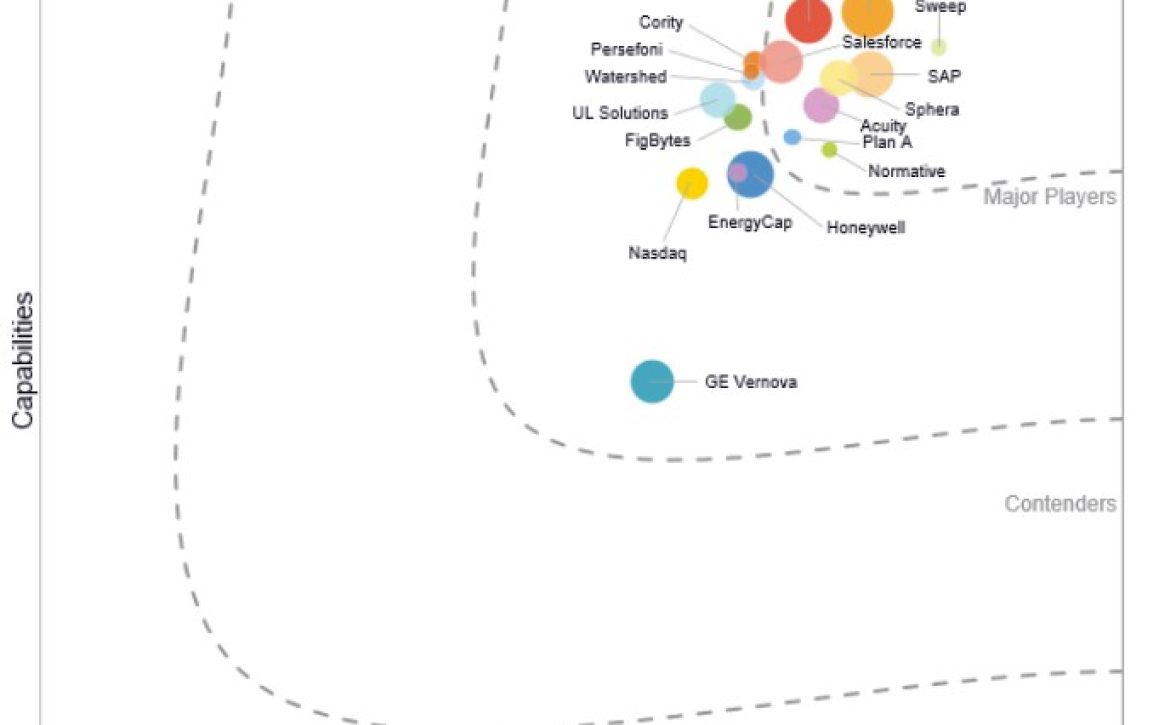
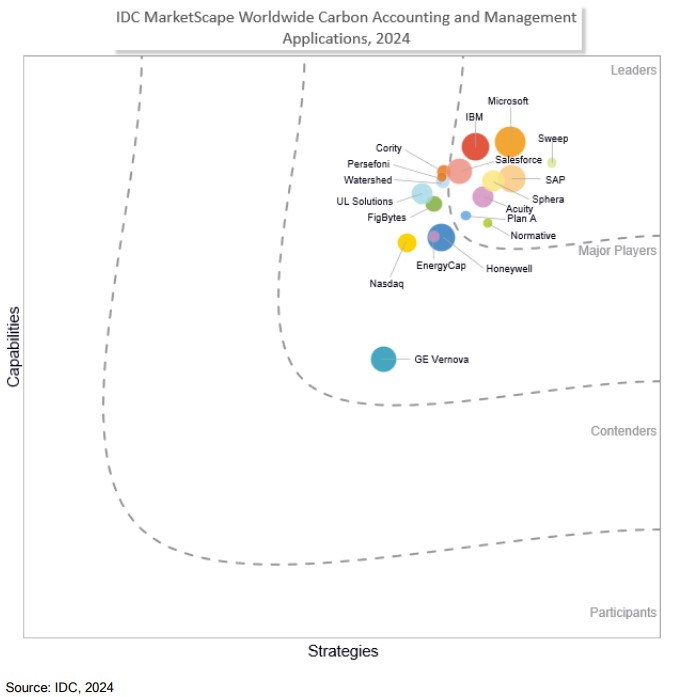
SAP has been named a leader among 18 vendors in the first-ever IDC MarketScape: Worldwide Carbon Accounting and Management Applications 2024 Vendor Assessment.
A once nascent market, carbon accounting and management is experiencing a significant transition in the number, type, and capability of solutions available. The landscape formerly comprised of startup and niche vendors has expanded to include large independent software vendors (ISVs) and hyperscalers, all battling for market share.
Organizations are under increasing pressure to track and disclose carbon emissions data to stakeholders including investors, partners, clients, customers, employees, and regulators. Many are collecting data and reporting on Scope 1 and 2 emissions. Scope 3 remains a challenge due to the complexity of reliable data collection and reporting.
Fines and litigation will create a new impetus for reporting as well. Regulations will add a new element of complexity to how companies report. Disclosure of decarbonization initiatives will require unique data analysis and scenario planning tools. The IDC report points to data integration as a principal challenge for carbon accounting vendors.
The IDC MarketScape vendor analysis model is designed to provide an overview of the competitive fitness of ICT suppliers in a given market. The research methodology utilizes a rigorous scoring methodology based on both qualitative and quantitative criteria that results in a single graphical illustration of each vendor’s position within a given market. The Capabilities score measures vendor product, go-to-market and business execution in the short-term. The Strategy score measures alignment of vendor strategies with customer requirements in a 3-5-year timeframe. Vendor market share is represented by the size of the icons.
SAP Carbon Accounting & Management: Rising to the Challenge
SAP is well-positioned to provide organizations with data-driven, purpose-specific carbon management solutions that are ERP centric, cloud based, and AI enabled. These include SAP Sustainability Footprint Management, SAP Sustainability Control Tower, SAP Sustainability Data Exchange, the SAP S/4HANA Cloud solution for EHS environment management, and SAP Green Ledger, which all help to enable carbon accounting and management on a transactional level and transform emissions tracking processes.
Our carbon management solutions are best suited for organizations currently using or planning to use SAP S/4HANA Cloud and looking to capture the value of sustainability, as well as manage sustainability-related business risks. Customers can address these objectives by embedding sustainability into their end-to-end business processes, leveraging ERP and supplier data, and using the metrics to inform business processes and financial reporting.
Having the ability to assess carbon and financial data on the same transactional level adds a new dimension to the way organizations address carbon budgets, make capital allocation decisions, and cascade and scale change management. This transformation allows for targeted sustainability actions and more precise financial decisions.
SAP can leverage its ERP-centric sustainability approach of supporting both corporate and transaction-level product carbon footprints as a differentiator. Integration with other financial applications – procurement, supply chain, risk, and compliance management – is a standard feature of the SAP Sustainability portfolio.
Staying ahead of carbon taxes, penalties, and upcoming regulatory requirements will also play a key role in how organizations report. Alignment between CFOs and CSOs will become more frequent due to the overlapping responsibilities and sustainability management component, as they affect both corporate risk and cash flow.
According to the IDC MarketScape, “the portfolio of sustainability offerings is built on a foundation of SAP S/4HANA Cloud, limiting adoption to the universe of users. Furthermore, while modular in design, much of the solutions’ value is dependent on the adoption of multiple system elements, thus commanding a higher price point.” SAP is responding with the speed and agility of cloud delivery combined with integrated sustainability data within the core enterprise resource planning system. This will be critical in helping to optimize customers’ sustainability and financial performance and become the very foundation of their future business success.
By unifying sustainability and financial data, SAP customers can unlock carbon emissions insights, positively impacting decision-making and forecasting on all hierarchical levels. With end-to-end carbon management and the added transactional-level carbon emissions data, organizations can improve operational efficiency, foster emissions transparency, and comply with developing regulations. Achieving a sustainability transformation – one that benefits the bottom line and the planet – is truly within reach. Find out more here.
The IDC study provides a comprehensive analysis of carbon management platforms, highlighting the increasing need for organizations to track, manage, and report carbon emissions amid evolving regulatory landscapes and stakeholder pressures. It evaluates vendors based on their capabilities and strategies to meet future customer needs, focusing on innovation, customer satisfaction, and the ability to support organizations in their decarbonization efforts. “In an era of escalating environmental scrutiny, mastering carbon accounting is not just compliance, but a strategic imperative for future-proofing businesses,” said Amy Cravens, research manager, ESG Reporting and Management Applications at IDC.
Alicia Lenze is global head of Sustainability Marketing at SAP SE.
Take on climate action with end-to-end carbon management
In today’s fast-paced world, AI is helping boost user and organizational productivity, enhancing decision-making and fundamentally changing our business processes.
As we recently announced at SAP Sapphire, since Q4 last year we have delivered 50 new AI innovations and we are on track to ship more than 100 AI use cases across the SAP portfolio in 2024. As part of this effort, we, in the SAP S/4HANA Cloud Public Edition team, are excited and proud to introduce new AI innovations announced at the event.
When considering use cases, we look to drive business growth and foster innovation with AI-enabled cloud ERP from three perspectives:
Increase the productivity and efficiency of people by transforming work through automation and simplified user experiences to drive business outcomes.
Accelerate business processes and optimize decisions by enabling AI-powered processes and data-driven insights and recommendations to make faster, safer decisions.
Boost finance excellencewith AI to optimize working capital and closing functions.
Find out what’s next for SAP S/4HANA Cloud Public Edition
AI Use Cases to Increase the Productivity and Efficiency of Your People
Joule, the AI-powered copilot: Joule can enable customers to interact with their business using natural language for informational, navigational, and transactional assistance. It is now possible to get quick tips, information, and insights by simply asking Joule. Joule helps redefine user interaction, streamline business processes, and enhance productivity. It can enable contextual access to content and applications by providing users the ability to simply ask for guidance and get pointed in the right direction.
Interact with Joule to retrieve relevant business data in SAP S/4HANA Cloud Public Edition
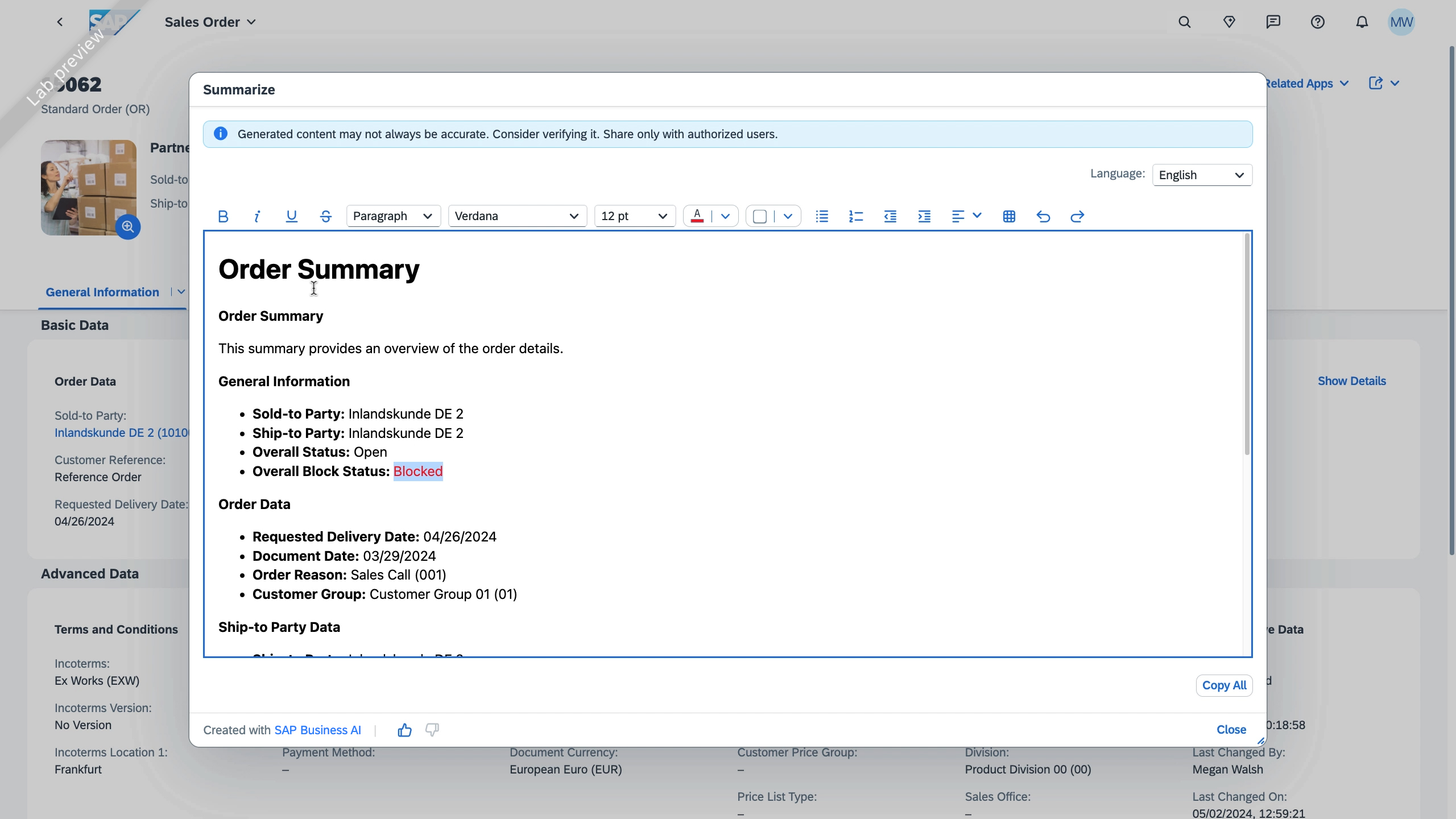
Smart summarization: Customers are now able to leverage generative AI to help seamlessly propose summarizations of business context in multiple languages to enable faster collaboration and communication. This can ensure that daily activities are expedited, providing users with the flexibility to tailor text proposals to their specific needs. For example, in advance of a customer meeting, a sales representative can ask for a summarization of customer details, latest interactions, and current issues. The results are summarized and sent via e-mail so the sales rep has the information at their fingertips to read prior to the meeting.
Efficiently summarize all information about your business objects in multiple languages
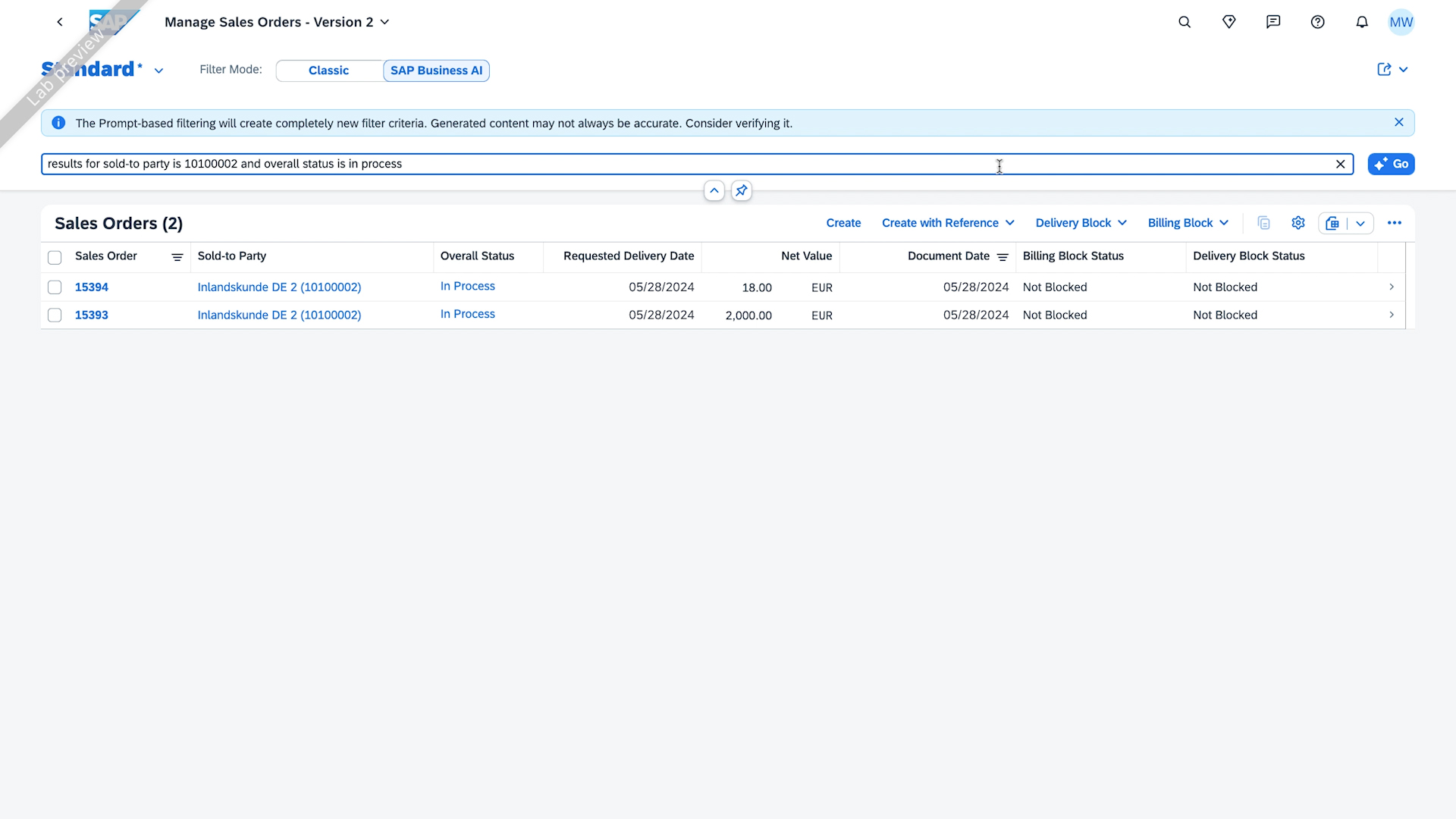
Easy filter: Our customers can now easily and efficientlyfilter in elements-based SAP Fiori apps with natural language enabled through generative AI. This can enhance the current filtering experience significantly and helps make it more intuitive for first-time users. For example, a sales manager can, in natural language, get the sales orders for their VIP customer that are open, have a due date this week, and exceed a certain amount.
Filter your business data using natural language to specify what you are looking for
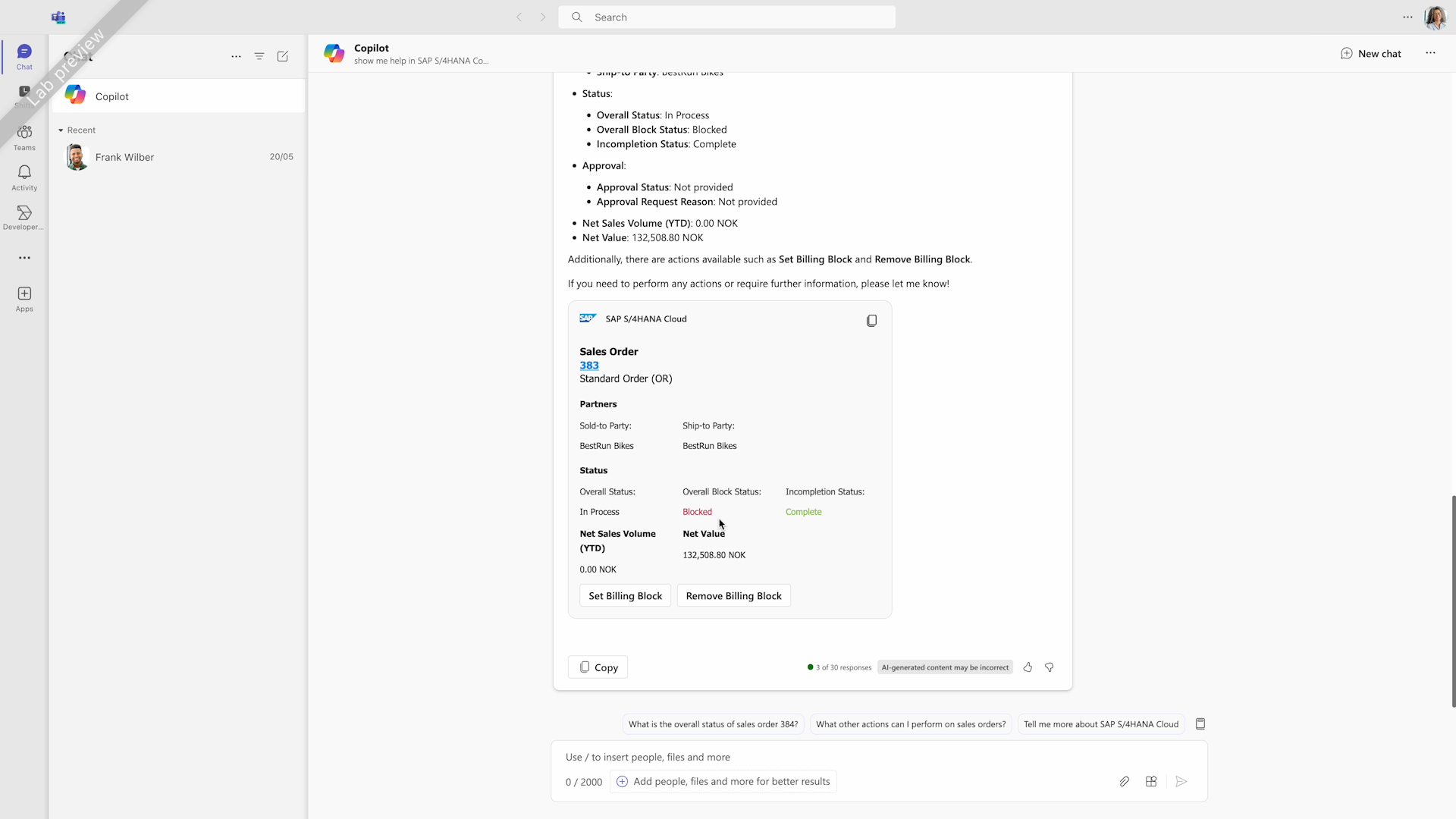
Collaborative ERP: Empower end users to eliminate redundant tasks and increase efficiency. By combining the power of SAP and Microsoft, users can receive notifications for to-dos from SAP S/4HANA Cloud Public Edition directly in Microsoft Teams through the SAP S/4HANA for Microsoft Teams integration. This can not only save time for end users, but can also decrease media breaks. When sharing business context with coworkers, users can benefit from the option to share cards based on adaptive card-based loop components. This allows end users to directly act and copy seamlessly in the Microsoft ecosystem, such as from Microsoft Teams to Microsoft Outlook.
As announced at SAP Sapphire, SAP and Microsoft will start integrating Joule and Microsoft Copilot for Microsoft 365 later this year, combining enterprise data residing in SAP with contextual knowledge from Microsoft 365, including Microsoft Teams, Microsoft Outlook, Microsoft Word, and more, helping to deliver richer insights for better decision-making.
Take the example of a sales manager who needs help removing the block off a sales order for one of their most important customers. They recognize by checking on the Microsoft side that a sales order is blocked. They reach out to one of their team members asking for help through Microsoft Outlook. The team member solves the issue directly in SAP S/4HANA Cloud Public Edition and sends back an updated note with the real-time status of the SAP S/4HANA Cloud Public Edition solution. Finally, the sales order is unblocked, and everyone has worked in the environment they are most used to, efficiently and effectively.
Interested customers can experience innovations for SAP S/4HANA Cloud Public Edition firsthand through our Customer Influence program.
Access your most relevant business data directly in Microsoft Copilot
AI Use Cases to Accelerate Business Processes and Optimize Decisions
Reinvent customer service with personalized experiences that can address customer needs quickly.
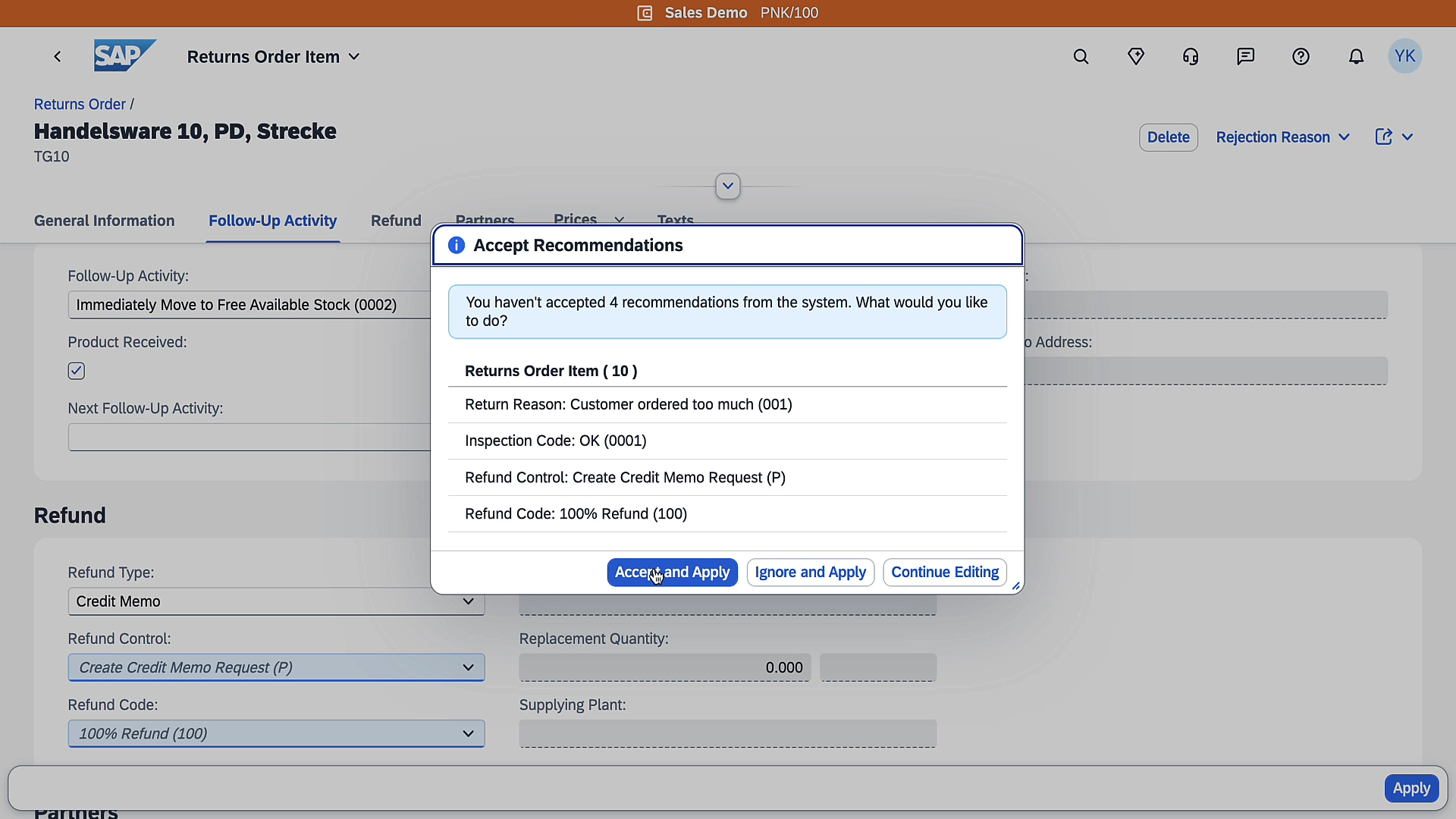
Intelligent recommendations: From sales order completion to customer returns creation, intelligent recommendations in SAP Fiori apps can dramatically reduce the time spent on creating business objects by up to 90%. This can not only minimize manual effort, but therefore accelerate the overall process by improved accuracy and enhanced productivity.
Leverage recommendations to get your business data with minimal effort
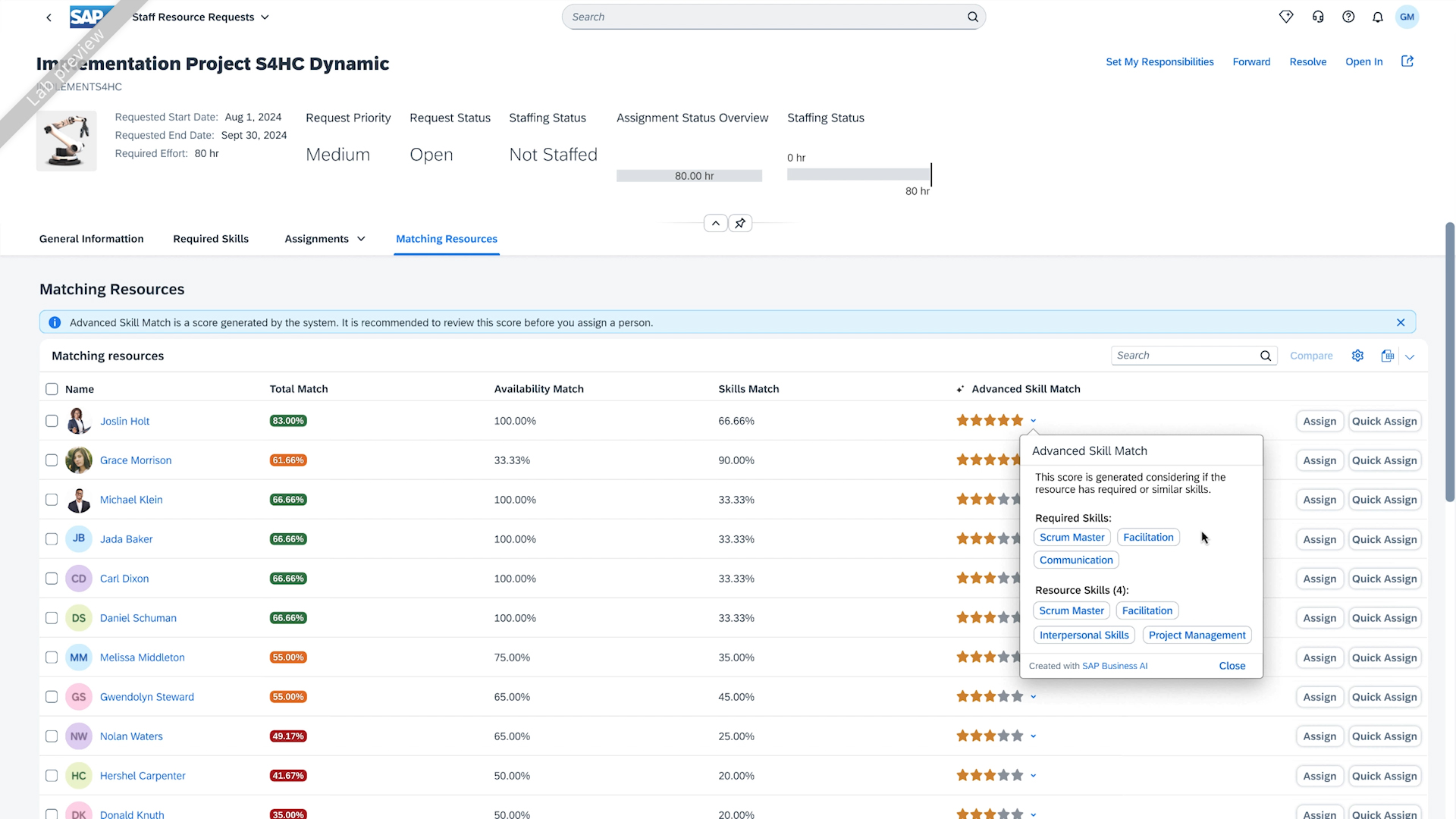
Intelligent matching employees to projects: Our customers can now leverage AI innovations to help streamline project staffing by efficiently matching the best-skilled employees to specific projects. This can reduce the time and effort involved in finding the right talent, helping to ensure that projects are staffed with the ideal team members.
Leverage advanced skill matching when assigning resources to projects
Communication intelligence in enterprise service management: Automating the clearing of open items and matching receivable items has never been easier. Our machine learning solutions can offer up to a 60% reduction in manual effort, helping to automate up to 70% of receivable item matching and potentially reduce days sales outstanding by up to 5%.
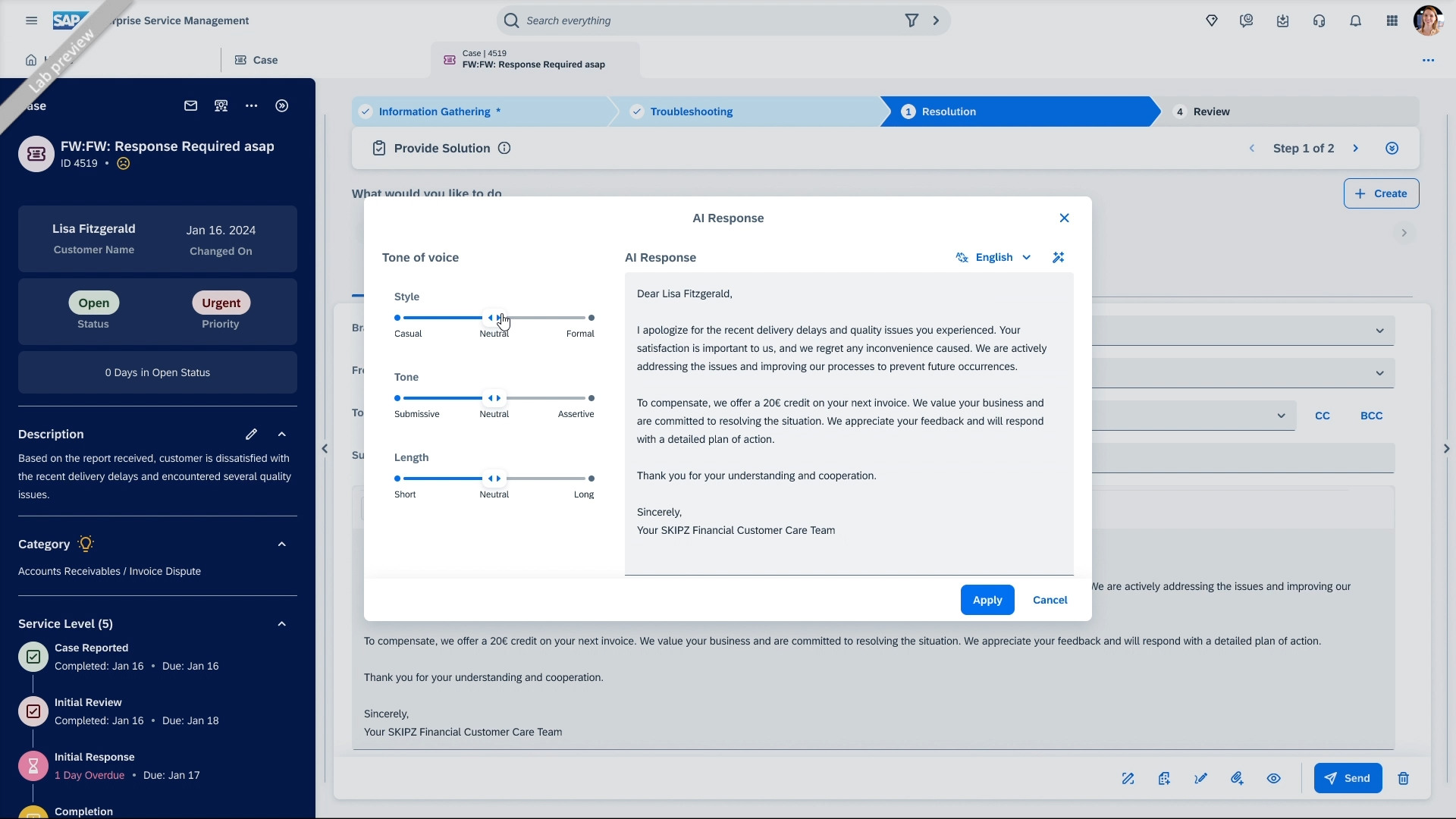
For example, an accounts receivable agent can get every incoming customer mail classified, summarized, and all key information extracted. Furthermore, the system can guide the agent to help identify financial disputes, resolve them, and generate mail responses back to the customer.
Increase customer satisfaction with optimized communications
Boost Finance Excellence with AI to Optimize Working Capital and Closing Functions
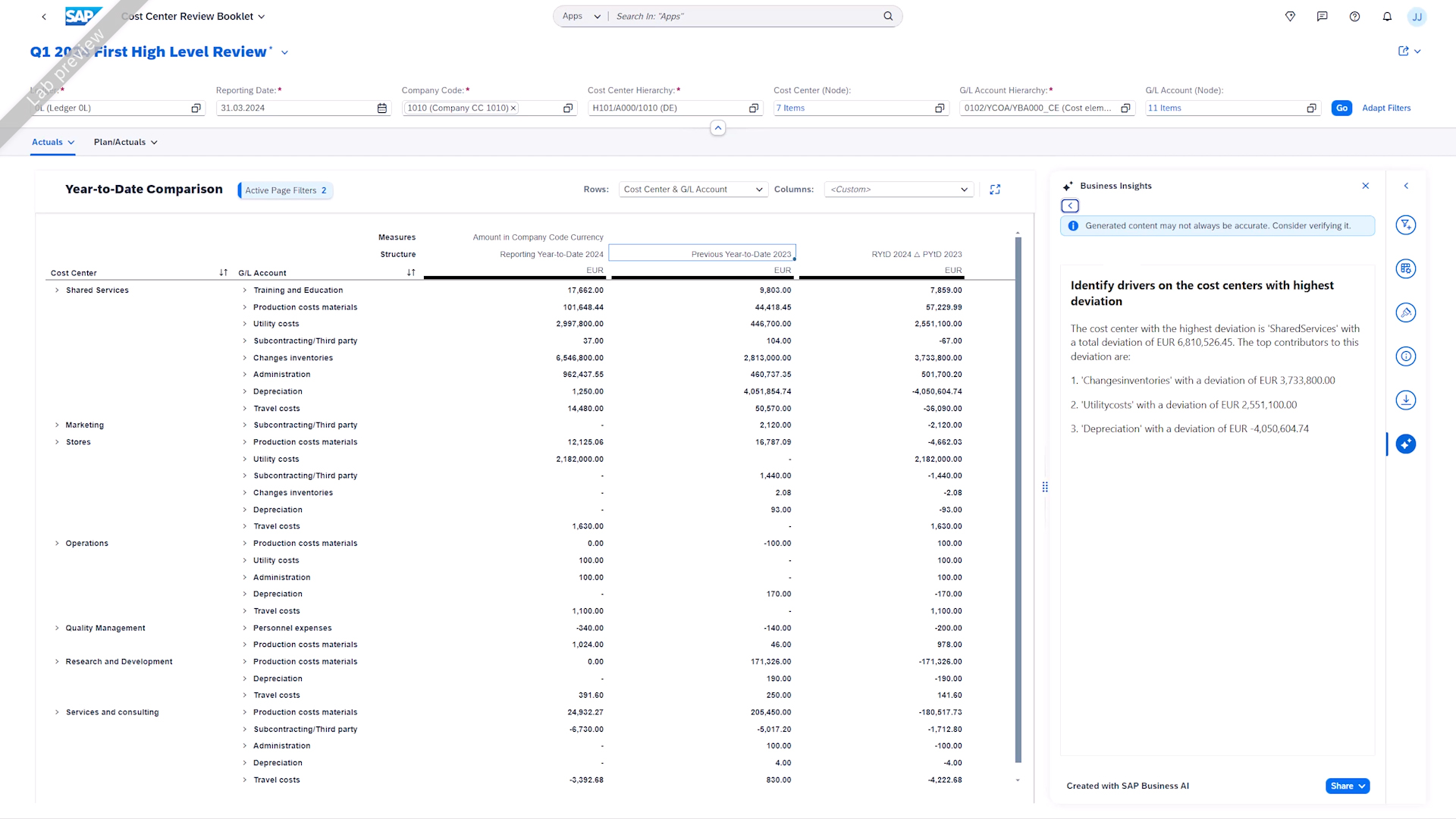
Financial business insights: This can enable customers to reach optimized profitability through tailored resolutions via tailored prompts. The user can gain real-time insights and detailed analysis for financial decision-making, receive targeted recommendations, and improve teamwork and collaboration across business functions with the help of SAP Business AI.
For example, an overhead accountant who must prepare a high-level expense report summary can get an overview of cost centers with the highest deviation compared to the previous period with quick actions supported by generative AI.
Get targeted recommendations to analyze and optimize your cost centers
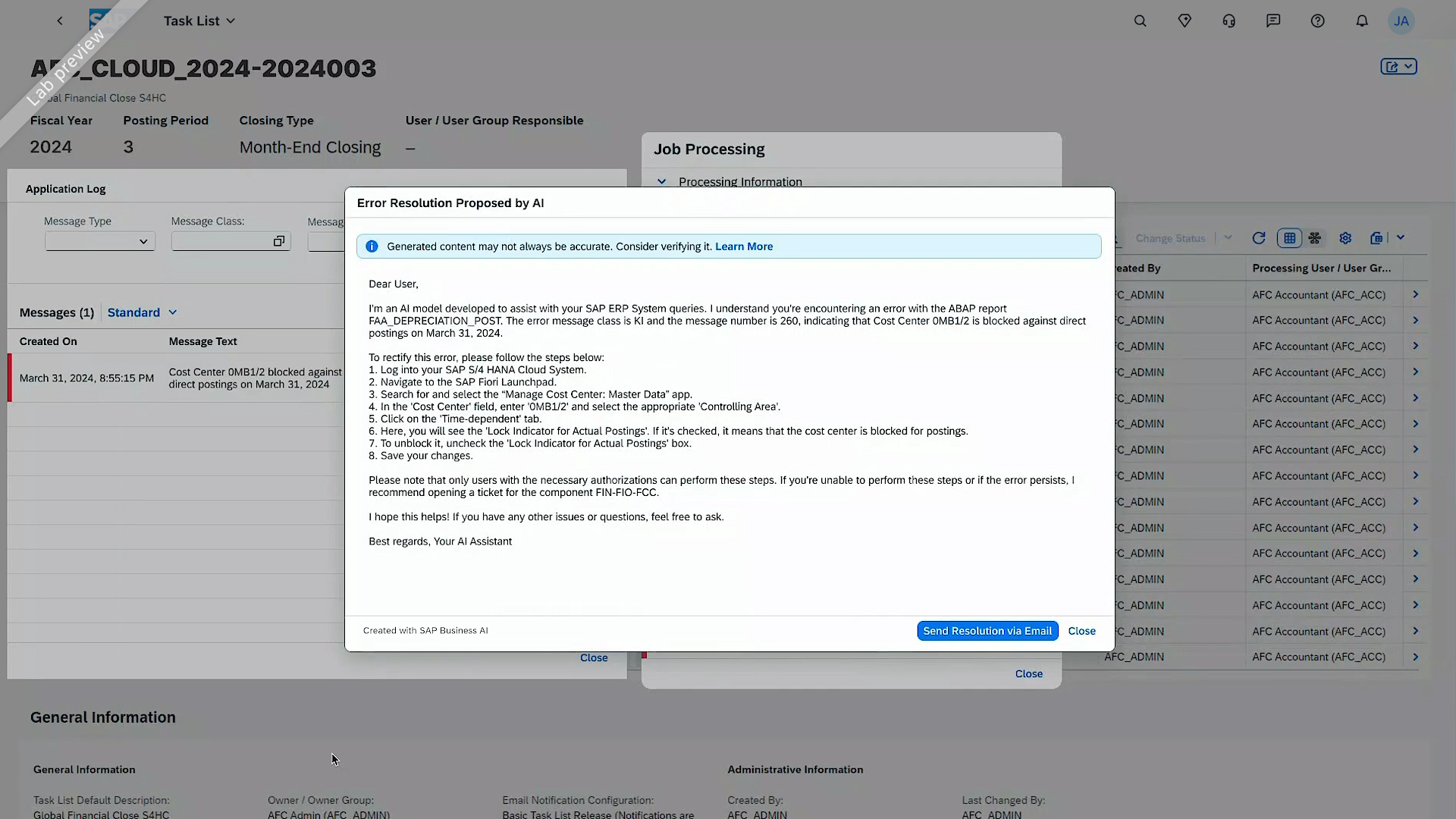
Guided error resolution in advanced financial closing feature: AI-generated recommendations can assist users in resolving errors identified during financial close processes. This not only helps to accelerate the financial close, but also to reduce manual errors and IT costs, empowering business users like never before.
Benefit from proposals for error resolution to finalize your financial closing
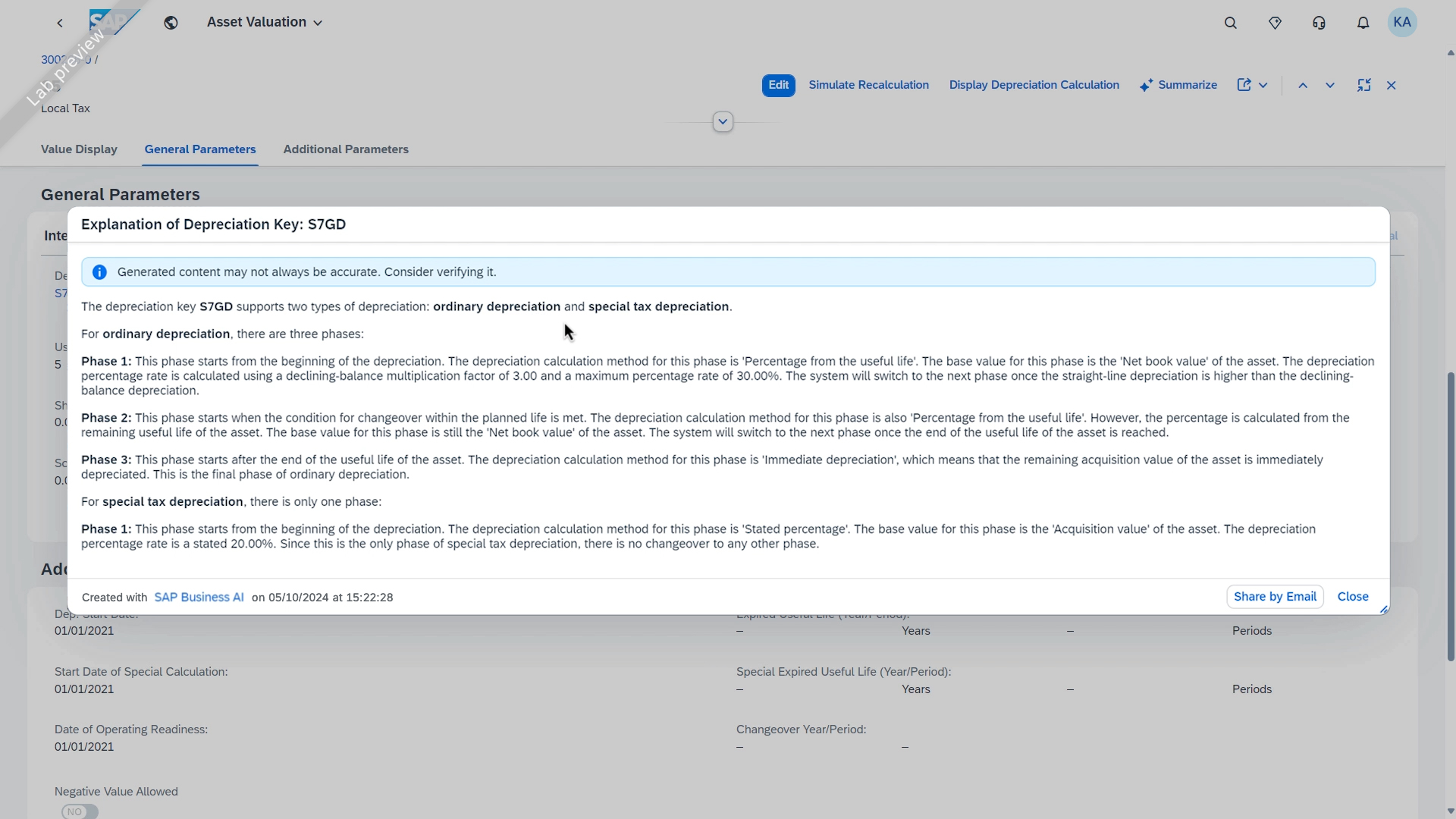
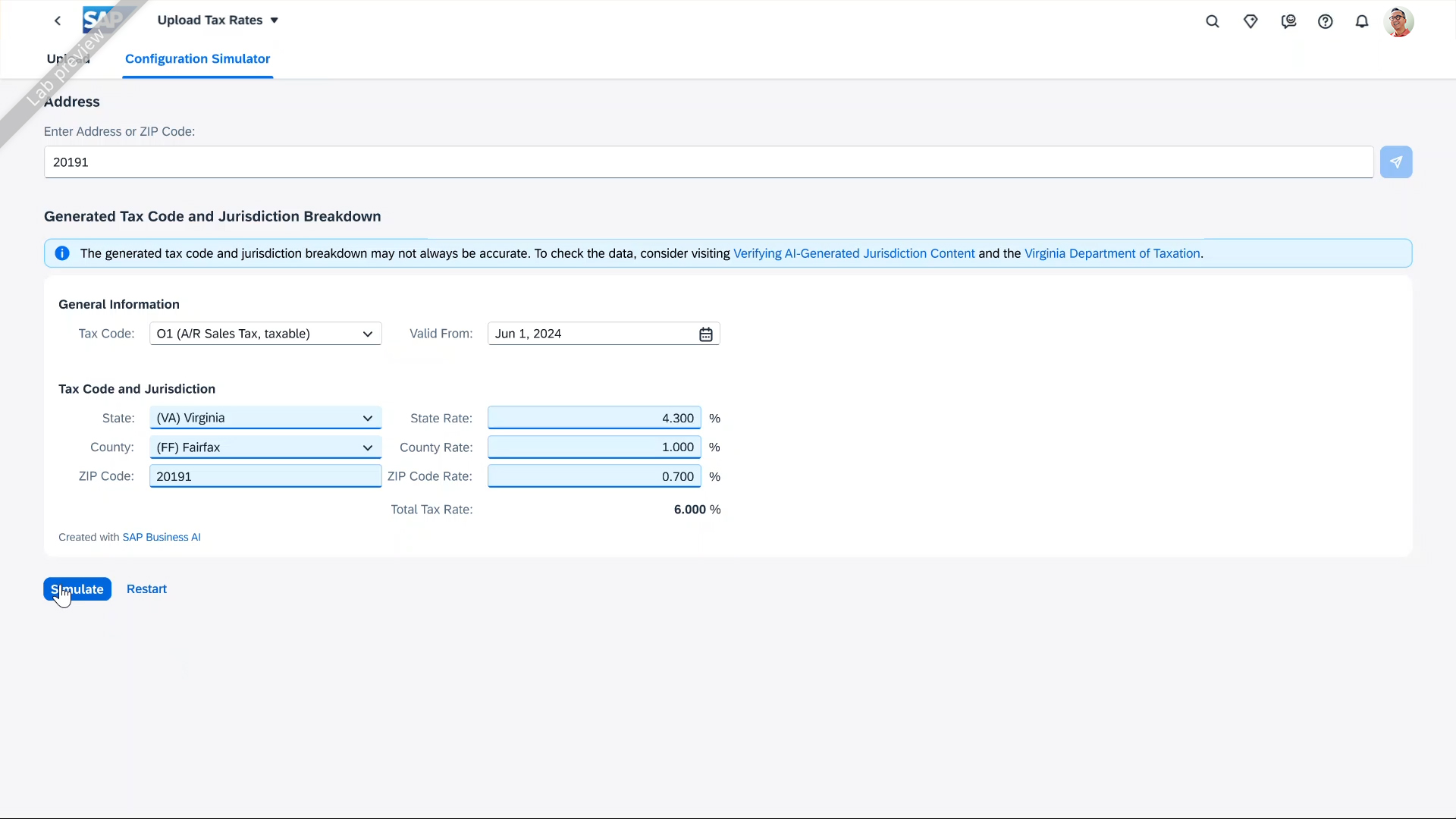
Assisted configuration for complex processes: Whether it’s explaining depreciation keys in user-friendly language or intelligently configuring U.S. tax codes, generative AI capabilities can simplify complex configurations, helping to enhance the onboarding experience and improve productivity during critical periods like financial year-end closings.
Improve your understanding of depreciation keysSpeed up configuration for U.S. tax jurisdictions
Customers Can Get Started and Experience AI Firsthand
Our customers now have the opportunity to join our community of innovators, creators, and forward-thinkers who are harnessing the power of technology to drive change and make a difference. We have launched a Customer Influence site that can enable our customers to embark on a journey of discovery, growth, and endless opportunities.
With the pace of innovation ever increasing, we believe that SAP customers are perfectly positioned to take advantage of the opportunities that business AI brings.
Arpan Shah is SVP of Public Cloud ERP Product Management at SAP.
Get the latest SAP news delivered to your inbox once a week
Last week in Barcelona, during SAP Sapphire in 2024, I had the honor of inviting several SAP customers on stage to share their stories of business transformations. One of them was Rob Coombe, CIO of Royal Eswatini Sugar (RES). He spoke about his company’s journey in the public cloud and how it has enabled them to adopt a company-wide digital mindset, save 14% to 18% on their costs, and attract new graduates to work in their remote operations, among other benefits.
But what struck me the most was his simple answer to my question about his advice for others in helping them make the case for change. He said, why change? This is the wrong question to ask. The better question is, why not change?
RES’s story and the many others shared by SAP customers at SAP Sapphire Orlando and Barcelona reminded me of an essential truth about business transformations in the age of generative AI. While the solutions and technologies are impressive, the stories of business value and business results matter the most.
During those two weeks, SAP showed over 25,000 customers, partners, analysts, and media members, both on-site and online, how we support businesses to bring out their best. We announced new AI-embedded solutions within our apps, including expanding our generative AI copilot Joule throughout our enterprise portfolio, and expanded collaborations and partnerships with AWS, Microsoft, Google Cloud, Meta, Mistral AI, and NVIDIA to deliver even more value for our customers.
We also announced our intention to acquire WalkMe with its state-of-the-art digital adoption platform. Along with SAP Signavio to manage processes and SAP LeanIX to manage enterprise architecture, with WalkMe to guide user adoption we will soon have a best-in-class transformation portfolio and help our customers maximize the value of their cloud investments with SAP and continue driving tangible results for their business.
When it comes to the value our customers are getting from our solutions, the stats don’t lie. For example, customers who chose RISE with SAP have outperformed the market in revenue growth by 7%. Solutions like Taulia are helping businesses unlock the power of their working capital to fuel growth and drive innovation, with customers seeing their free cash flows improve by more than US$1 billion.
When we look across our total customer base and our entire portfolio of solutions, over the coming years we expect to see our customers experience approximately $2.4 trillion in economic savings, around $5.4 trillion in increased revenue, and a double-digit increase in their employee satisfaction, allowing them to retain talent and reduce churn.
But my favorite part of SAP Sapphire every year is hearing customers tell their stories in their own words. To me, that’s the real magic of SAP Sapphire.
In Orlando, we heard from Brian Hardee of PureTech Scientific about the impact the public cloud has had on helping them scale up quickly as a standalone business, especially in the life sciences industry where data is everything. Jeff Lischett of Tropicana Brands Group talked about how RISE with SAP gives them newfound speed and agility from a modern ERP to drive growth and set themselves up for success with business AI. Ingo Elfering of Fresenius spoke about the company’s technical implementation of RISE with SAP and how it’s given them simpler processes and a modern base for innovation and change. Takuya Sakai of Hitachi High Tech talked about the value that operating from a clean core has for their business by helping them simplify their processes and gain a competitive advantage.
Then, in Barcelona, Elisabet Braza Valle of González Byass talked about how her nearly 200-year-old company, famous for producing sherry in Spain, is giving back to the land by putting sustainability front and center at every stage of its operations, thanks to SAP solutions. Özlem Altinişik of Martur Fompak talked about their RISE with SAP implementation, which they called Project Inspire because they saw the offering as a platform for growth and continuous improvement for the future. Ashish Agrawal of KONE spoke about how their embrace of a clean core has enabled them to adopt standardized processes as part of their transformation.
These are just a small sample of the value stories shared during SAP Sapphire. Most importantly, they show that businesses bringing out their best isn’t hypothetical; it’s happening every day. And in the age of business AI, it is just the tip of the iceberg for what will soon be possible for every business. At SAP, we remain steadfast as we did 52 years ago, to do our best in enabling our customers, partners, and teams every day to bring out their best!
Have you ever thought about how a piping system can contribute to climate protection?
Based in Germany, aquatherm is a global manufacturer of polypropylene pipe systems for plant construction and building services. Polypropylene is a material known for its ecological properties and high temperature and pressure resistance.
Climate protection, green energy, and clean water: with all these, aquatherm wants to contribute to preserving the natural foundations of life everywhere in the world. Its sustainable products, comprehensive service, and expert knowledge are part of its commitment to a climate-neutral life. The production line covers 17,000 articles across six lines for various applications, such as connection to heating and cooling, heating and cooling networks, and potable water.
With about 500 employees, the company operates in 70 countries via a strong partner network.
In 2022, aquatherm implemented SAP S/4HANA Cloud as its core business system and integrated a legacy solution to manage its production processes. But it heavily relied on manual data input, resulting in poor data quality and a high risk of human error. To meet increasing demand for its products and keep up with the company’s growth, aquatherm aimed to optimize its production processes by incorporating the latest technology.
Streamlining Operations and Automating Processes
Patrick Keller, SAP technical consultant, Digital Manufacturing, aquatherm, explained: “We wanted to streamline operations across nine manufacturing divisions and six production lines, minimize manual input, reduce interfaces, and track performance on the production floor. Our objective was also to gain visibility into machine activities, comparing key performance indicators across machines, workers, and production areas. In addition, we wanted to establish comprehensive traceability throughout the production process to swiftly address any issues.”
The solution was to implement a cutting-edge manufacturing execution system that was adaptable for the future and able to eliminate any manufacturing errors quickly by leveraging real-time machine data and KPIs. “After careful consideration, we decided to utilize SAP Digital Manufacturing for collecting machine data to automate processes. Overall, our intention is to utilize as many products as possible within the SAP cosmos,” Keller said.
SAP Digital Manufacturing is a manufacturing execution system (MES) provided as a cloud solution that can support sustainable, risk-resilient manufacturing operations through a resource-efficient, Industry 4.0 approach. It helps optimize production processes by connecting the business systems with the shop floor equipment and can enable execution, visibility, and analysis.
Establishing a Single Source of Truth to Improve Visibility
SAP Digital Manufacturing is currently implemented at one of the production areas, providing aquatherm with insight into machine performance and any issues that arise. It allows the company to check indicators from machines, like production times, and helps reduce downtime. As SAP S/4HANA Cloud is integrated with SAP Digital Manufacturing, information is pulled from SAP S/4HANA Cloud and transferred back from SAP Digital Manufacturing, enabling real-time insights to help improve decision-making.
“We appreciate the benefits of this cloud-based solution, as we get quarterly software updates and new features,” Keller said.
One of the challenges aquatherm faced was obtaining necessary and correct machine data from various machine manufacturers with different standards. By working with SAP and its partner BA Business Advice GmbH, it developed a standard machine template to use for each machine. “By utilizing the SAP fit-to-standard approach, we avoided custom development and stayed within our existing processes without the need for significant change to production processes,” Keller said. “With support of BA Business Advice, we went live within only six months, after a three-month proof of concept,” he added.
The overall benefits aquatherm achieved include:
Achieved a 100% unified overview of manufacturing operations
Experienced 90% less time spent on PC-based tasks through automated data exchange, freeing machine operators to focus on their core role
Established a single source of truth for manufacturing operations, significantly improving visibility
Improved data quality and freed up time for machine operators by eliminating manual processes and interfaces
Empowered key stakeholders with accurate, real-time data for more transparent production management and informed decision-making
Laid the foundations for enhanced data analytics and AI solutions to support future optimizations, helping to boost overall production efficiency
Future Plans to Boost Overall Production Efficiency
Looking to the future, aquatherm plans to roll out the solution across all production areas. Moreover, it plans to leverage the SAP Digital Manufacturing bundle for insights to even better control production operations and further integrate the SAP S/4HANA Cloud data exchange with SAP Digital Manufacturing in both directions. It also plans to utilize SAP Analytics Cloud and the production connector to help exchange data between SAP Digital Manufacturing and industry-specific standard data sources.
“SAP Digital Manufacturing has enabled us to digitalize and automate our production processes thanks to a single source of truth. Accurate, real-time data ensures that there are no blind spots, so we can keep our operations running smoothly,” Keller said.
Karin Fent is senior director of Global Customer Success Digital Supply Chain at SAP.